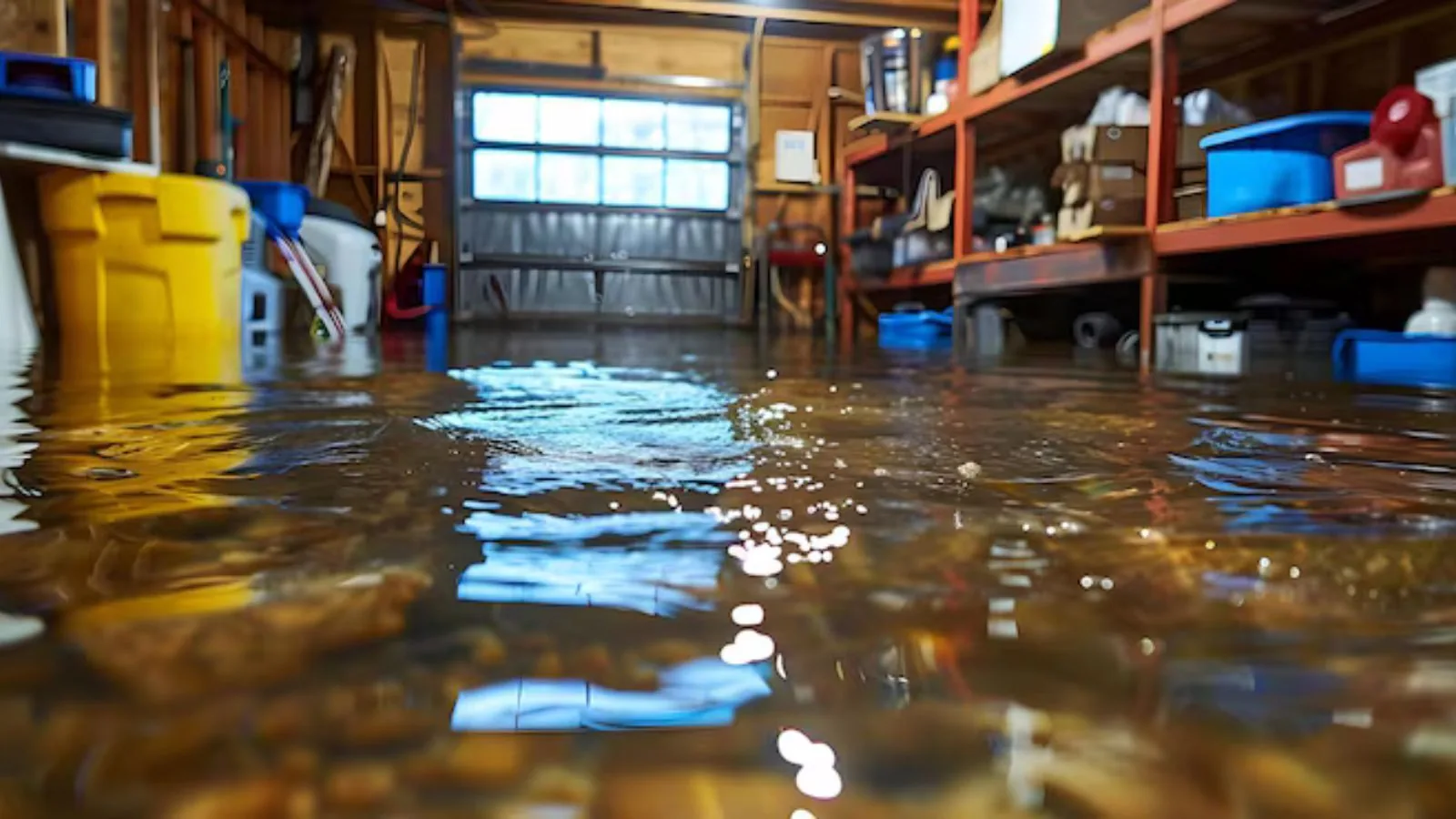
Emergency Commercial Water Damage in Alameda, CA
A wet storefront loses money every hour it stays closed. We work to limit downtime and keep records property managers and insurers can use.
24/7 Emergency Line OpenLicensed and insured.Same-day response when available.Scope and price explained first.
Why commercial losses move on a different clock
A residential leak disrupts a household. A commercial leak can shut a business, damage inventory and trigger lease questions. Speed matters, and so does a clear scope that an owner, manager and insurer can all follow.
Alameda has a mix of older commercial streets, newer business parks and former Navy buildings at Alameda Point. Park Street and Webster Street both carry storefronts and offices of different ages. Each building type has its own materials, access points and shutoff locations.
Tell us who needs to know
Give us the owner, property manager and insurance contact on the first call. We will ask which areas are open to the public so we can protect them while we work.
Common causes in commercial buildings
Supply and drain lines
Long runs through ceilings and walls can leak for days before anyone notices.
Roof and storm entry
Flat and low-slope roofs can pond water and leak after heavy rain.
Fire sprinkler discharge
Even a small discharge wets ceilings and contents.
Restroom overflows
Fixtures in shared restrooms can overflow into hallways and tenant spaces.
Water loss at your business?
Call the dispatch line and we will start with safety, shutoff and a plan to limit downtime.
Our commercial response plan
Secure and assess
We confirm shutoffs, note hazards and map the wet areas.
Extract and protect
Water is removed, and we protect equipment, inventory and unaffected spaces.
Dry on a schedule
Dehumidifiers and air movers run with daily readings and written logs.
Document for stakeholders
Photos, moisture logs and a scope summary go to the owner, manager and insurer as needed.
In multi-tenant buildings, water in one unit can reach the next. We note adjacent units and talk to the manager before work begins. Restaurant and kitchen losses overlap with our kitchen water damage restoration page.
Decision guide for owners and managers
| Question | Why it matters | What we can help with |
|---|---|---|
| Can part of the space stay open? | Revenue and tenants. | Containment and phased drying. |
| Who is paying first? | Cash flow. | Scope and price explained up front. |
| Is the source stopped? | Prevents repeat damage. | Coordination with your plumber or roofer. |
| Is inventory affected? | Claim value. | Photo and list of affected items. |
Commercial policies vary, so confirm coverage and notice terms with your insurer.
Larger water events may also need water extraction at scale, and building-wide drying follows our structural drying plan.
Documenting a commercial loss
Commercial claims often involve more paperwork than residential ones. Photos should show the date, the source and any damaged inventory or equipment. A simple list of affected items, with approximate values, helps your insurer move faster.
We keep moisture logs and drying records for each space. In multi-tenant buildings, we label each unit separately so responsibility is clear. Those records do not decide coverage, but they save time when adjusters and managers compare notes.
What shapes the cost of a commercial job
- Floor areaLarger buildings need more pumps, dehumidifiers and monitoring.
- Building typeConcrete slabs, raised floors and finished ceilings dry at different rates.
- Access hoursAfter-hours work to avoid disrupting tenants can change staffing.
- Contents and inventoryMoving and protecting stock adds labor.
We explain scope and price before work starts, and we put it in writing for owners and managers who need to approve it. If the building has more than one tenant or payer, tell us early so the paperwork reflects who is responsible for which space.
What to do before we arrive
- Stop the source first, whether that is a valve, an appliance or a fixture.
- Do not use household electrics in standing water or on wet walls.
- Lift furniture legs off wet carpet and pull rugs to a dry spot.
- Keep damaged items and take dated photos for your insurer.
- Leave the building and call 911 if you smell gas or see exposed wiring.
Professionals commonly measure drying work against the IICRC S500 standard for water damage restoration. We cite it only as an industry reference for how water types and drying goals are defined, not as a credential.
Commercial water damage questions
Yes. Many commercial losses are found after closing, so our line runs around the clock. Same-day response is offered when available.
We can plan phases to keep part of the space in use. Safety and moisture readings decide what is practical.
Yes. We give managers clear scope summaries and moisture logs. Please share contact details for the owner and insurer.
Those depend on your documents. Ask your insurer and review your lease, and we will supply records.
We can document water in each unit and dry them as one plan with the manager's approval.
Business wet and closed?
Call now. We will secure the space and plan drying to get you reopened.
Call the emergency line