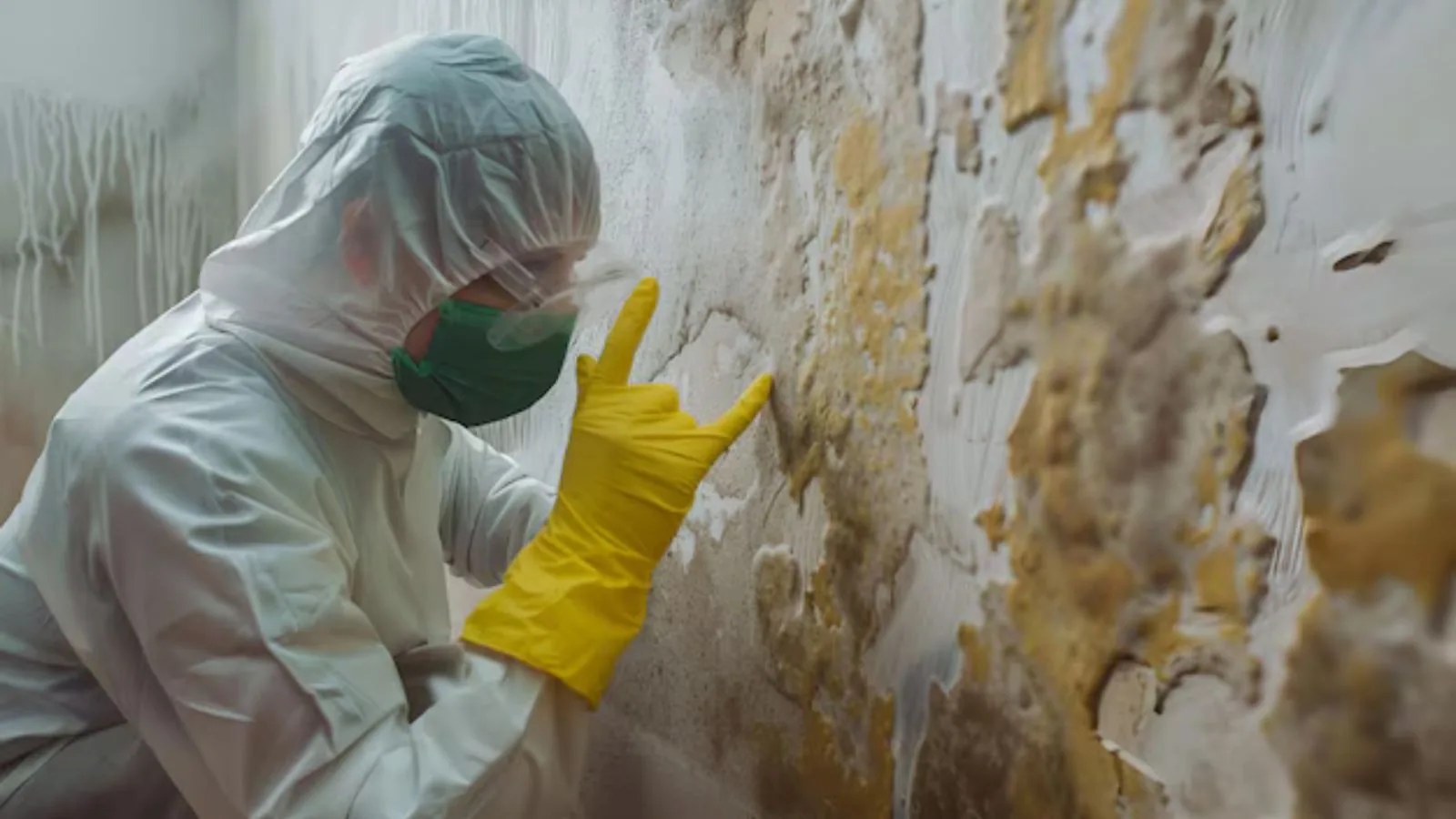
Mold Remediation in Alameda, CA
Mold grows where moisture lingers. Remediation removes growth and fixes the conditions that fed it.
24/7 Dispatch AvailableLicensed and insured.Serving Alameda and nearby towns.Scope and price explained first.
Is that dark spot on my wall mold, and what should I do?
Dark spots on walls and ceilings can be mold, dirt, soot or a stain left by an old leak. A musty smell and a spot that returns after cleaning make mold more likely. A moisture source nearby is the key clue.
Do not scrub or spray it with a household cleaner and a brush. That can spread spores. If it is a small spot, isolate the area, stop the moisture and call for guidance.
We do not make health claims about mold, and we do not diagnose symptoms. For health questions, talk to a medical professional.
How remediation works
Find and stop the moisture
Remediation cannot hold unless the water source is fixed first.
Contain the area
Plastic barriers and negative air limit spread to the rest of the home.
Remove growth and affected materials
Porous materials with growth are removed, and surfaces are cleaned with HEPA vacuums and damp wiping.
Dry and verify
We dry the structure and confirm moisture is back to normal before repairs.
These steps follow the general approach of the IICRC S520 standard for mold remediation, which we name only as an industry reference.
Seeing mold after a leak?
Call and we will explain what to avoid touching and how an assessment works.
Mold and the moisture problem underneath
| Moisture source | Related page | Why it matters |
|---|---|---|
| Past leak or burst pipe. | Burst pipe damage. | Wet drywall and insulation may need removal. |
| Slow appliance or AC leak. | Appliance leaks. | Long moisture exposure. |
| Wet wall or ceiling. | Wall and drywall. | Cavities stay damp. |
| Whole structure wet. | Structural drying. | Drying prevents regrowth conditions. |
We cannot promise that mold will never return. Removing moisture lowers the risk.
Fast drying after water damage is the best way to avoid mold in the first place. If your home had water damage in the last few weeks and still smells musty, have it checked.
Licensing, testing and what to ask a contractor
California requires a CSLB contractor license for jobs of $500 or more, so check any contractor at cslb.ca.gov. Ask whether your state licenses mold work and whether the contractor holds any additional credentials. Ask what the written scope covers and whether clearance is part of it.
Testing is a separate decision. Some owners want an independent inspector to check the work, and that can be reasonable. We will explain our scope and let you choose whether to bring in a third party.
What to do while you wait
Leave the area alone. Do not sand, scrub or use a fan that blows across the affected surface, because that can move spores into other rooms. Close the door if the room has one and turn off the HVAC fan to that space.
Fix or stop the moisture source if you can. Take dated photos, note where the smell is strongest and list any recent leaks. Those details help us plan containment and help your insurer see the history.
What changes the price
- Area affectedLarger areas need more containment and removal.
- Material typeDrywall and insulation are removed more often than framing, which is cleaned.
- AccessAttics, crawl spaces and tight walls slow work.
- Moisture sourceFixing the cause may be a separate plumbing or roofing job.
We explain scope and price before work starts and put the scope in writing. Ask any contractor, including us, what happens if hidden growth turns up behind a wall, because a clear answer in advance prevents surprises later.
Mold remediation questions
Our dispatch line is open around the clock. Mold is rarely an emergency by itself, but a wet home is, and we can help with both.
It could be, but color alone does not tell us. A moisture reading and inspection give a better picture.
Small surface spots are one thing, but larger areas and hidden growth call for professionals. Avoid disturbing it.
No one can promise it will not. Removing moisture and growth lowers the risk.
Coverage varies. Mold from a covered water loss may be handled differently than mold from long-term leaks. Ask your insurer.
Mold on your walls or ceiling?
Call. We will explain the process before work starts.
Get a crew moving