Structural Drying and Dehumidification in Alameda, CA
Mopping up water does not dry a building. We use measured drying to reach normal moisture levels in framing, subfloors and drywall.
24/7 Dispatch AvailableLicensed and insured.Serving Alameda and nearby towns.Scope and price explained first.
Why does my house still feel damp after the water was cleaned up?
Surfaces dry first, and the materials behind them dry last. A floor can look fine while the subfloor, wall base and insulation underneath stay wet. That hidden moisture is the reason musty smells show up days after a cleanup.
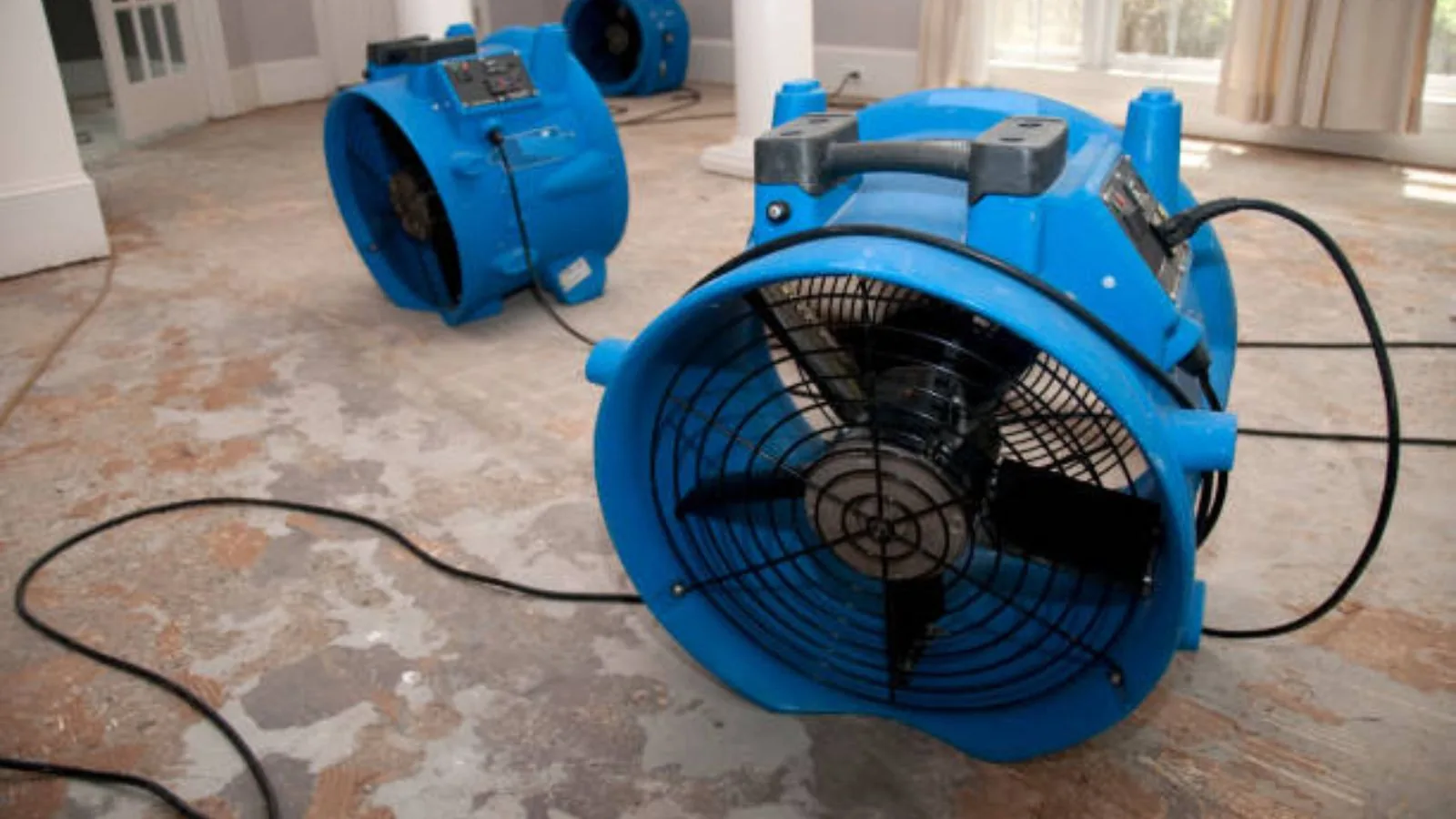
Fans from a hardware store move air, but they do not remove moisture from it. Without dehumidification, the water just moves from the wall into the air and back into the wall. Controlled drying pairs airflow with equipment that pulls water vapor out of the room.
If your home still feels humid, smells musty or has warped trim after a leak, the structure may not be dry. A moisture meter can confirm it quickly.
How structural drying works
We start with a moisture map. Readings from meters and a thermal camera show how far water went and set a drying target. Then we place air movers to push dry air across wet surfaces and dehumidifiers to remove the moisture.
The room is closed so equipment works on a defined space. Each day we return to read the same points. When readings reach the target for that material, equipment comes out. We do not stop at a guess.
Map the wet area
Meters and thermal imaging find the edges of the wet zone.
Set equipment
Air movers and dehumidifiers are sized to the space and the materials.
Monitor daily
Readings are logged at the same points each visit.
Verify and remove
Equipment leaves only after materials reach normal levels.
Not sure your home is truly dry?
Call and we will explain how a moisture check works and when drying is worth doing.
What gets dried and how
| Material | Drying approach | Watch for |
|---|---|---|
| Drywall. | Airflow and dehumidification, small ports if needed. | Paper facing that stays soft. |
| Wood framing. | Controlled low humidity over days. | Slow release of deep moisture. |
| Subfloor. | Floor drying mats or directed air. | Swelling at seams. |
| Concrete slab. | Dehumidification and time. | Rewetting after equipment stops. |
Dense materials dry slowly, so patience matters more than speed alone.
Drying often follows water extraction, and it is the core of the work after a burst pipe or flood. It also supports mold prevention, though no method can promise that mold will never return.
A note on psychrometrics, in plain terms
Air holds less moisture as it cools and more as it warms. Our team tracks temperature, relative humidity and the grains of moisture in the air, then adjusts equipment to keep the room drying. That is the science behind why a running dehumidifier with the windows closed outperforms open windows on a humid day.
Alameda's bay air can be damp, and cooler months bring lower drying rates. We adjust the plan for the conditions of the day instead of using a fixed number of days. If a room is still reading wet after the planned time, we add equipment or extend the schedule and tell you why.
What affects the cost
- Square footageLarger wet areas need more equipment.
- Material mixConcrete and thick framing take longer than drywall.
- Days on siteEach day adds equipment and a monitoring visit.
- Starting conditionsWarm, humid days slow drying and may need extra dehumidification.
We explain scope and price before work starts, and we update you if readings call for more days. A written drying log goes with the job, so you and your insurer can see how the numbers moved from wet to normal.
What to do before we arrive
- Shut off the water at the main valve if you can reach it safely.
- Stay out of wet rooms near outlets, cords and the electrical panel.
- Move people, pets and small valuables to dry areas.
- Photograph the damage before anything is moved or thrown away.
- Call 911 for a gas smell, sparks, or ceilings and floors that sag.
For reference, the IICRC S500 is the published industry standard for professional water damage restoration. We name it as a guide to how drying is planned and measured, and we make no certification claim by doing so.
Structural drying questions
Yes. Drying works best when it starts early, so our line is staffed around the clock. Same-day response is offered when available.
Moisture left in walls, floors or insulation can feed odors. A moisture check shows whether the structure is dry.
Many jobs run several days. Readings, not a calendar, tell us when to stop.
Air movers and dehumidifiers make noise, similar to loud fans. We place them to limit disruption where possible.
Drying removes the moisture mold needs, but no one can promise that mold will never appear. Fast, thorough drying lowers the risk.
Get your home truly dry
Call and we will explain how a moisture map and drying plan work.
Talk to a local crew