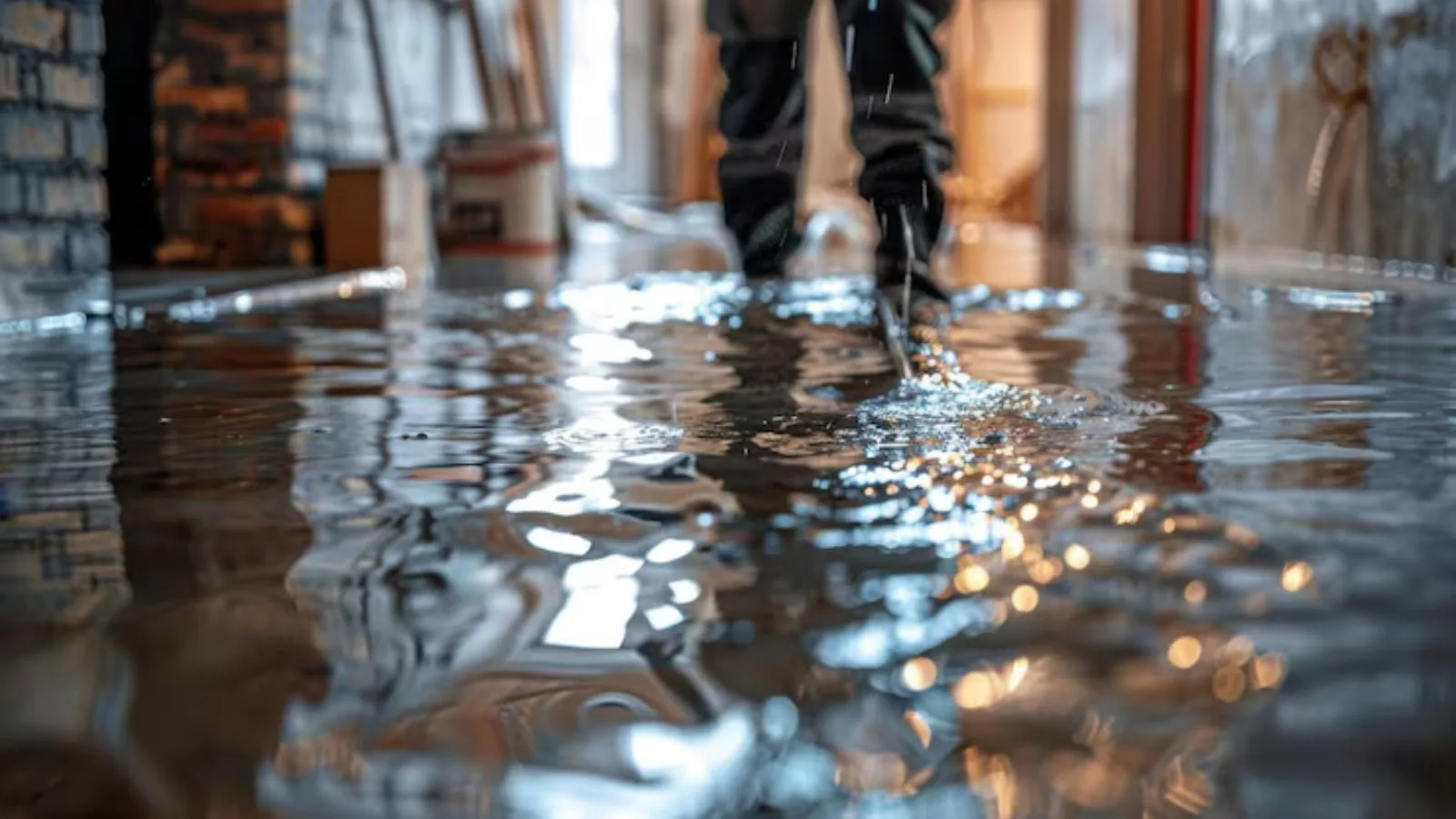
Emergency Water Extraction in Alameda, CA
Standing water does not wait for office hours. We pull it out of floors, carpet and cavities across Alameda and start drying while the damage is still small.
24/7 Emergency Line OpenLicensed and insured.Serving Alameda and nearby towns.Scope and price explained first.
Why the first few hours decide how far the water spreads
Water finds the lowest path and keeps going. On a slab it creeps under baseboards and into the bottom of the drywall. Over a wood subfloor it drops through gaps and wets the framing below.
Most of the harm happens quietly. Wet drywall wicks moisture upward, padding holds water like a sponge, and finishes start to swell. Pulling the water out early shortens the whole job, because every hour of standing water adds square footage to the drying plan.
Alameda is a low island city, and the city's own groundwater work notes that sump pumps are common in local basements. A failed pump or a heavy storm can put water into a home with no plumbing failure at all. The method is the same either way, remove the water first and sort out the cause second.
If water is still on the floor right now
Stop the source
Close the fixture valve or the main valve. If the water comes from outside, move to higher ground and call us for guidance.
Kill power to wet areas
Do not stand in water near outlets or cords. Switch off the breaker for the room from a dry spot, or wait for a crew.
Lift what you can
Pull small rugs, books and electronics off the wet floor. Leave heavy furniture where it is and let us move it safely.
Photograph before cleanup
Take wide and close photos with dates. Your insurer will ask for them, and they speed up the claim.
Water on the floor and no idea where to start?
A dispatcher can tell you in a few minutes what to shut off, what to move and what we would bring.
How extraction works from start to finish
A crew arrives with moisture meters and a thermal camera before any equipment comes off the truck. We map where water went, not only where it is visible. Then we choose the right extractor for the surface.
Assess and map
We read moisture levels in floors, walls and ceilings, and mark the wet boundary so drying has a clear target.
Extract the bulk water
Truck-mounted or portable units pull standing water from hard floors, and weighted wands work carpet and pad.
Open and expose
Where water sits behind baseboards or under cabinets, we make small openings so air can reach it.
Hand off to drying
Air movers and dehumidifiers start right away. See our structural drying service for how that phase runs.
Extraction removes liquid water, but it does not finish the job. A floor that looks dry can still hold moisture in the pad, the subfloor and the wall base. That is why extraction and drying are planned together.
Which surfaces get extracted and which get replaced
| Surface | Usual approach | What decides it |
|---|---|---|
| Sealed hard floor. | Extract and dry in place. | How long water stood and whether seams are open. |
| Carpet over pad. | Extract, then often lift and discard the pad. | Water category and how fast we arrived. |
| Hardwood or laminate. | Extract and test, drying mats where suitable. | Cupping, glue-down or floating install. |
| Drywall base. | Extract nearby, cut flood line if wet above. | Moisture reading up the wall. |
This is a general guide. A moisture reading on site, not the table, decides each surface.
Surface type changes the plan, so it helps to know whether you have carpet or hardwood before the crew shows up. If the water came from a leaking line, we also look at related causes such as a burst pipe.
What shapes the price of an extraction job
- Water volumeInches of standing water over a larger footprint means more extraction time and more equipment.
- Water categoryClean supply water costs less to handle than water carrying contaminants. See our sewage backup cleanup page for the difference.
- AccessCrawl spaces, tight stairs and upper floors add labor and hose runs.
- Drying scopeWhether walls and subfloors need drying decides how many days equipment stays on site.
We explain scope and price before work starts, so you can decide with the numbers in front of you. We do not guess over the phone.
What to do before we arrive
- Find and stop the water if it is safe to reach the valve or fixture.
- Do not walk through water that may touch outlets or power strips.
- Open interior doors so a crew can reach every wet room quickly.
- Write down when the water started and what it touched.
- Call 911 first for any gas smell, electrical sparking or sagging ceiling.
The IICRC S500 standard is the usual industry reference for water damage work. It describes water categories, drying goals and documentation. We mention it as a published guide only, and it is not a claim about our own certifications.
Water extraction questions from Alameda homeowners
Yes. Our line is staffed around the clock, and a dispatcher sends a crew as soon as one is free. Same-day response is offered when available, including nights, weekends and holidays.
Timing depends on crew availability and where you are on the island. We give you a realistic window on the call instead of a fixed promise.
A household wet vac can help with a small spill. For anything deeper than a puddle, it leaves moisture in padding and subfloor that later feeds odor and mold.
Not usually. Extraction removes liquid water, then the structure still needs controlled drying to reach safe moisture levels.
Many homeowners policies cover sudden water events but not flood. Read your policy, report the loss promptly, and ask your insurer what they need from us.
Get the water out before it moves further
One call starts the process. We will ask a few questions and tell you what to do while the crew drives over.
Call the emergency line