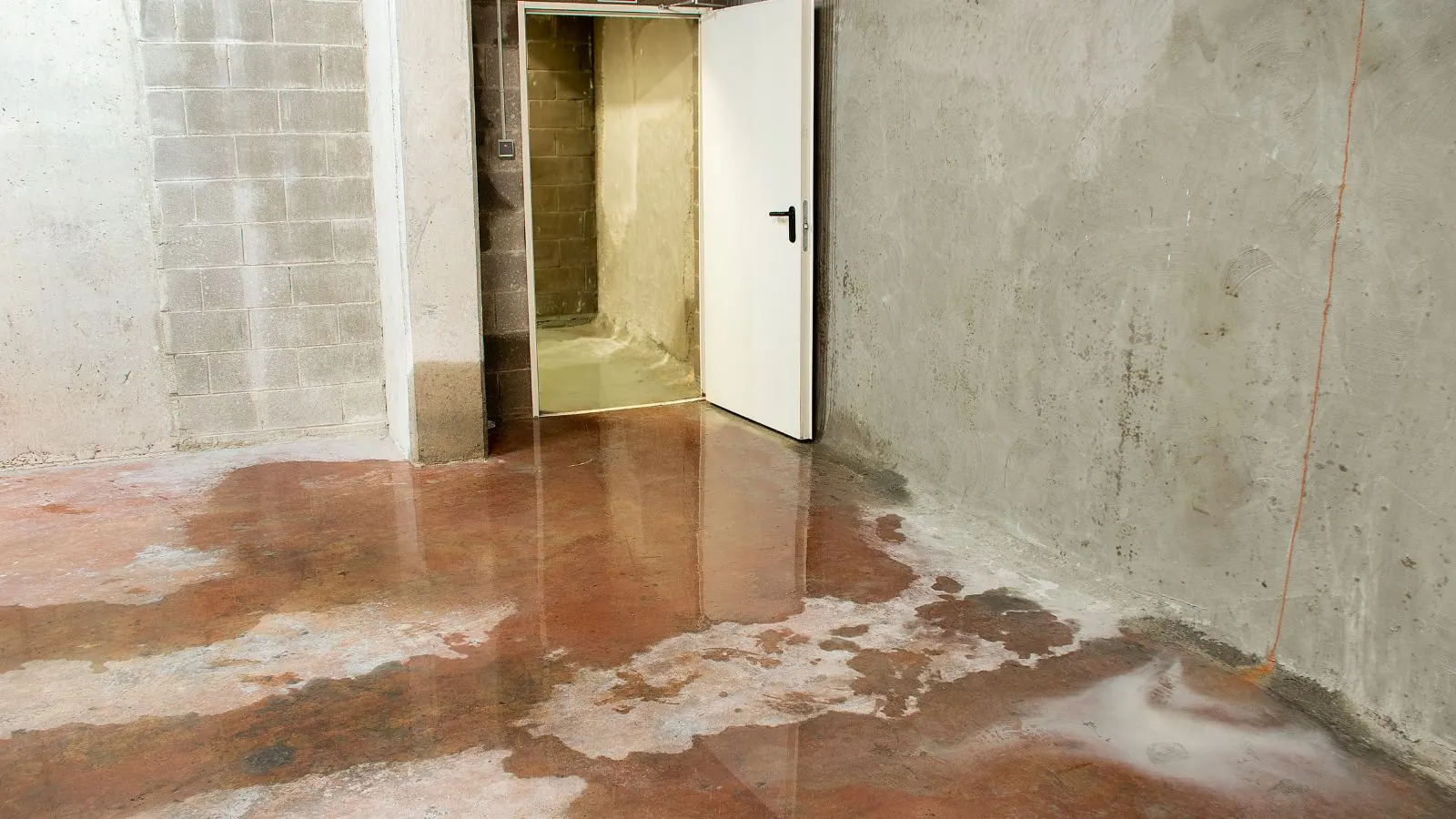
Emergency Slab Leak Water Damage in Alameda, CA
A leak under concrete is out of sight, but the signs are easy to spot once you know them. We dry the floors and walls it soaked.
24/7 Emergency Line OpenLicensed and insured.Serving Alameda and nearby towns.Scope and price explained first.
Why is my floor warm or my water bill climbing?
A warm patch on the floor, the sound of water when everything is off and a bill that rises with no change in use all point to a hidden leak. When the line runs under a slab, the water has nowhere to go but up through cracks or sideways under walls.
A simple first test is to turn every fixture off and watch the water meter. If it keeps moving, water is leaving somewhere. EBMUD can tell you how to read the meter, and a plumber can locate the leak with listening and pressure tools.
A leak locator is not our job
A plumber or leak detection company finds and repairs the line. We remove the water that reached flooring and walls, and we dry the area.
Signs of a slab leak
- Warm or hot spots on the floor, often over a hot-water line.
- The sound of running water with all fixtures off.
- A water meter that keeps moving while the house is idle.
- Damp carpet, lifting laminate or cracked grout with no visible source.
- A musty odor near a wall base or closet.
Suspect a leak under the floor?
Call and we will explain what to check and how we dry floors affected from below.
What a slab leak does to a house
Water that surfaces through a slab wets flooring from underneath. Carpet and pad hold moisture against the concrete, while wood and laminate swell or cup. Water can also move sideways into the bottom of interior walls.
Large areas can be affected before anyone sees a puddle. Drying in this case is slow, because concrete holds moisture and releases it gradually. We use dehumidification and floor drying methods and keep monitoring until readings level off.
| Floor type | Common effect | Typical response |
|---|---|---|
| Carpet and pad. | Soaked from below. | Lift and discard pad, dry slab. |
| Hardwood. | Cupping and gaps. | Dry and test, replace if damaged. |
| Laminate. | Edge swelling. | Often replaced. |
| Tile. | Grout staining, loose tiles. | Dry slab, assess adhesion. |
A moisture reading on site decides each case.
From detection to dry floors
Confirm the leak
A plumber or leak detection company finds the line and plans the repair.
Open and expose
We lift flooring and open wall bases only where readings require it.
Dry the slab and walls
Dehumidifiers and air movers run, and we measure progress each day.
Coordinate the repair
Repair may involve breaking the slab or rerouting the line, so we schedule around it.
The plumbing repair itself may involve a permit through the City of Alameda Permit Center. Related water spreading can look like a burst pipe, and floor-specific drying is covered on our hardwood floor and carpet pages.
Questions worth asking before you hire anyone for the repair
Ask the leak specialist how they located the line and whether they will provide a written finding. Ask whether the repair needs a permit and who will file it. For repairs that cost $500 or more, California requires a licensed contractor, and you can check a license on the CSLB website.
Ask us about timing as well. Drying equipment should stay in place until the leak is fixed and readings are stable, so we plan our visits around your plumber's schedule. That avoids removing equipment too early or paying for days it is not needed.
What shapes the cost
- Area affectedLarge footprints need more equipment and more days.
- DurationLong-running slab leaks soak deeper into flooring and walls.
- FlooringFloating floors and carpet are handled differently from tile.
- Repair coordinationEquipment stays until the line is fixed and the slab is dry.
Professionals commonly measure drying work against the IICRC S500 standard for water damage restoration. We cite it only as an industry reference for how water types and drying goals are defined, not as a credential.
Slab leak questions
Yes. If water is surfacing through a slab and flooding rooms, call at any hour. Same-day response is offered when available.
Turn off all fixtures and watch the meter. If it moves, call a plumber. Warm floor spots are another clue.
Coverage varies. Some policies cover resulting damage but not the repair of the line itself. Ask your insurer.
No. Breaking a slab is a plumbing task. We dry flooring and walls and coordinate with your plumber.
Concrete releases moisture slowly. Expect several days to a couple of weeks depending on conditions.
Think there is a leak under your floor?
Call us. We will help you decide the next steps and dry the damage.
Ask about your situation