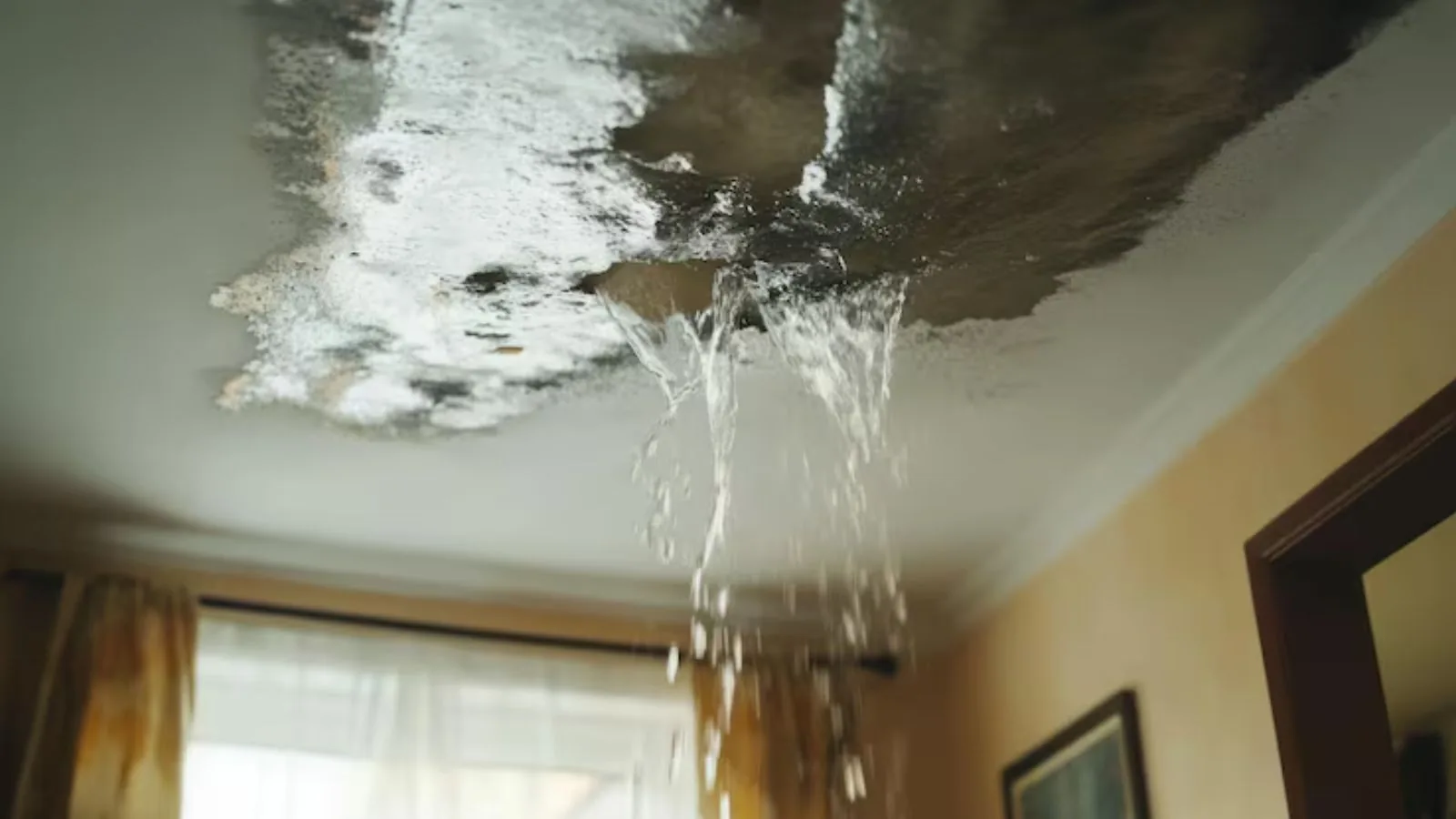
Cost of Water Damage Cleanup in Alameda, CA: What to Expect
Cost depends on the water, the area and the materials. This guide shows how those pieces add up without quoting a number we cannot stand behind.
Why we do not quote a price over the phone
Two leaks that look the same on a call can cost very different amounts. One may have wet a single wall base. The other may have run into a subfloor and under cabinets. The only way to tell is to read the moisture.
A company that quotes a firm price without seeing the damage is guessing. A company that explains how it will measure, what drives the scope and when the price may change is giving you something you can use.
Scope first, price second
Ask for a written scope that says what will be done and what is excluded. A price without a scope cannot be compared.
The main cost drivers
- Water typeClean supply water is simpler than contaminated water, which needs removal of porous materials and extra cleaning.
- Area and depthLarger wet areas need more extraction time, more equipment and more monitoring.
- MaterialsCarpet and pad, hardwood, drywall, insulation and cabinets each need different work.
- Time before actionWater left for days soaks deeper and may need more removal.
- Equipment daysAir movers and dehumidifiers run until readings are normal.
- AccessCrawl spaces, attics and tight rooms add labor.
- ContentsMoving, protecting and disposing of belongings adds time.
- Rebuild workDrywall, paint and flooring are separate from mitigation.
Mitigation versus rebuild
| Stage | What it covers | Who often does it |
|---|---|---|
| Mitigation. | Extraction, removal of unsalvageable materials, drying, documentation. | A restoration company. |
| Rebuild. | Drywall, flooring, paint, cabinets and finish work. | A general contractor or the same company. |
| Plumbing or roof repair. | Fixing the cause of the water. | A plumber or roofer. |
Different invoices may apply to each stage.
Keeping stages separate in writing helps you compare. Our burst pipe water damage page and flood damage cleanup page show how scope changes with the cause.
Want a straight answer on scope and price?
Call. We explain what we will do and what it is likely to cost before work starts.
How to compare two estimates
Line up the scope
List rooms, materials and tasks in each estimate.
Check equipment and days
Ask how many units and how many days each plans.
Look for exclusions
Ask what is not included and who covers it.
Ask about changes
Find out what could change the price and how you will be told.
A lower price that leaves out drying or documentation is not a lower cost. It is a smaller promise.
Alameda local note: permits, licensing and claims
Plumbing repairs and water heater work in Alameda go through the City Permit Center at 2263 Santa Clara Ave, using its online portal. Permit rules and fees are set by the city, so ask the Permit Center or your plumber what applies. California also requires a CSLB license for jobs of $500 or more, so check any contractor at cslb.ca.gov.
If you file a claim, the California Department of Insurance advises reporting it promptly and asking for a copy of your policy. We do not decide coverage, and we do not promise payment. If your home is in Berkeley or Emeryville, permit offices differ, and we describe them on those pages.
Questions to ask about price
- What is included in the first visit?
- What happens if drying takes longer than planned?
- How will I be told about changes?
- What records will I receive?
- What is not included?
Put the answers in writing. If you plan to file a claim, share the same scope with your insurer.
Line items you may see and what they mean
| Line item | What it covers | Why it can change |
|---|---|---|
| Emergency response. | Crew arrival and setup. | After-hours calls may have different scope. |
| Water extraction. | Removing standing water. | Depth and area. |
| Demolition and disposal. | Removing unsalvageable materials. | Quantity and access. |
| Drying equipment. | Air movers and dehumidifiers by day. | Readings and conditions. |
| Cleaning and treatment. | Surface cleaning and antimicrobial use. | Water type. |
| Monitoring and records. | Daily readings and a log. | Length of the job. |
Names vary. Ask each company to explain what a line includes.
A good estimate lists these items clearly. If a line is vague, ask. We explain scope and price before work starts, and we flag anything that could change.
Costs outside the restoration invoice
Restoration is only one part of a water loss. A plumber's repair, a roofer's work, rebuild finishes and temporary lodging are separate. Contents replacement and a deductible add more.
- Plumbing or roof repair of the source.
- Drywall, flooring and paint after drying.
- Temporary housing if rooms cannot be used.
- Contents cleaning or replacement.
- Your insurance deductible if you file a claim.
Planning for these separately keeps the restoration quote in perspective. Ask your insurer which items fall under your policy and which do not.
Ways to avoid surprises
- Get the scope in writing before work starts.
- Ask for the drying log at each visit.
- Approve removals before they happen.
- Keep photos of the work.
- Hold off on rebuild until readings are normal.
A short note on insurance and price
Insurers have their own pricing guides and may not pay every line of an estimate. That is between you and your insurer. Ask them what they need, and let the restoration company supply records.
If a company promises that your insurer will pay a certain amount, be careful. We do not make that kind of promise, and no one outside your insurer can.
A fair way to talk about budget
Tell the company what matters to you, such as keeping hardwood, finishing quickly or staying within a limit. A good crew can explain which choices affect cost and which do not. For example, drying a firm wall in place costs less than replacing it, and the choice depends on readings.
If your insurer will pay part of the cost, ask them what they need before work begins. Share that with the company so scope and records match. We do not set coverage, but we can make sure the documentation is ready when the adjuster asks.
- Say what you want to save, such as flooring or cabinets.
- Ask which choices move the price up or down.
- Ask for options when more than one path is reasonable.
- Keep every written scope and change.
When delay raises the cost
Water that sits keeps spreading. Drywall wicks upward, pad swells and framing absorbs moisture. A leak caught in hours may need drying only, while the same leak after several days may need removal and rebuild.
If you are not sure whether to call, call. A short conversation costs nothing, and a dispatcher can tell you whether the situation is urgent.
What to do while you wait for help
- Shut off the water at the main valve if you can reach it safely.
- Stay out of wet rooms near outlets, cords and the electrical panel.
- Move people, pets and small valuables to dry areas.
- Photograph the damage before anything is moved or thrown away.
- Call 911 for a gas smell, sparks, or ceilings and floors that sag.
For reference, the IICRC S500 is the published industry standard for professional water damage restoration. We name it as a guide to how drying is planned and measured, and we make no certification claim by doing so.
Restoration cost questions
Cost depends on the water, area and materials. We explain scope and price before work starts.
Often, but they are different work. Mitigation stops further damage and can lower the rebuild scope.
Probably, if you file a claim. Ask your insurer for the amount and rules.
Coverage varies by policy and cause. Ask your insurer.
Yes. We explain scope and price before work starts, and we put it in writing.
Want to know your scope?
Call. We explain what we will do and why before work starts.
Speak with a dispatcher