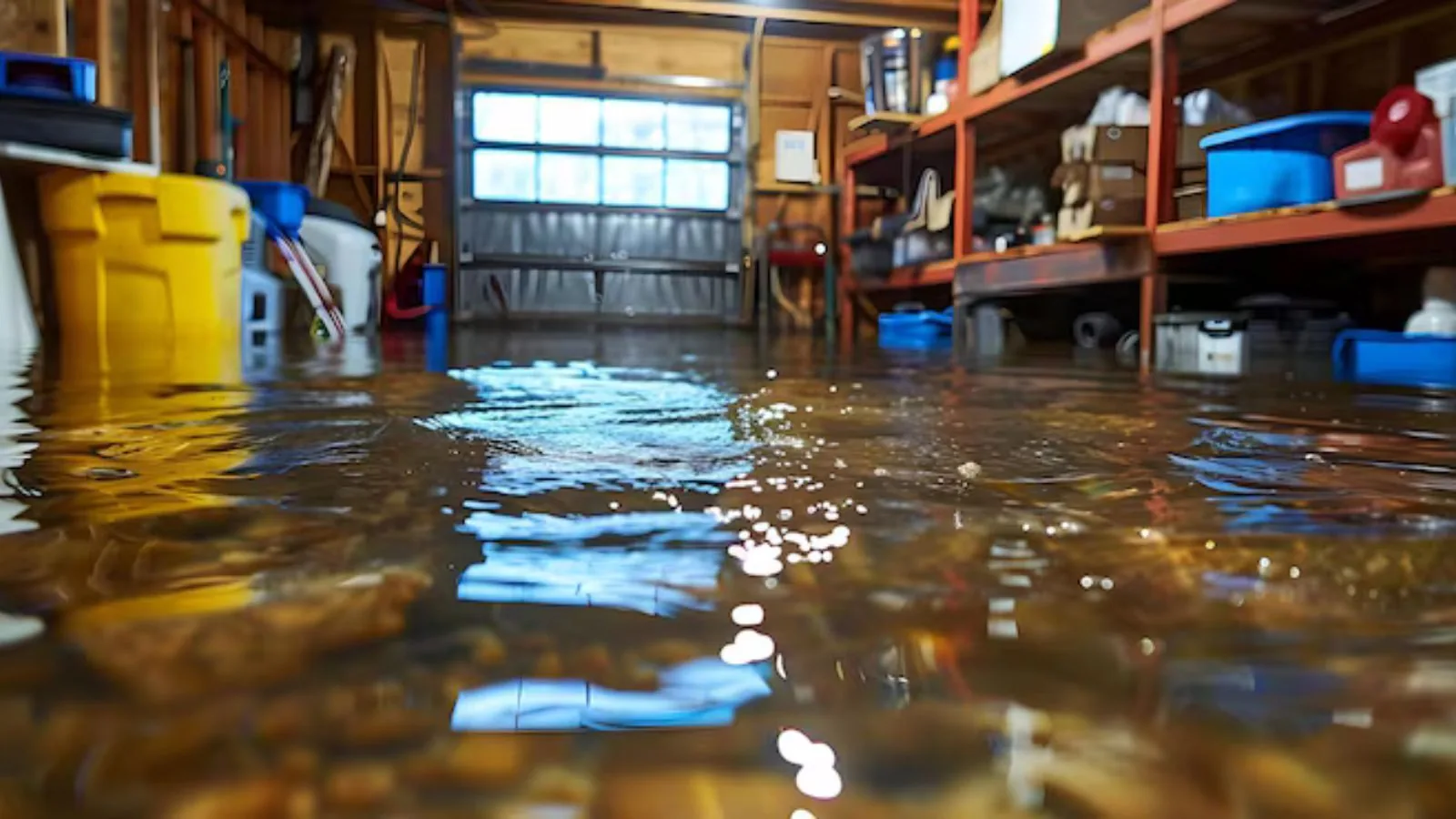
Choosing a Water Damage Company in Alameda, CA: A Checklist
You will likely choose under pressure. A short list of questions makes the decision calmer and the result better.
Start with what you need done
Water damage jobs differ. Some need extraction and drying only, while others add sewage cleanup, mold work or rebuilding. Knowing which stage you are hiring for helps you ask for the right scope.
Mitigation stops further damage. Repair rebuilds. Some companies do both, and some do only one. Ask which they handle and which they would hand to someone else.
Answering the phone is a signal
A real person who asks careful questions on the first call is a better sign than a recorded message and a callback promise.
Questions to ask before you agree
- Are you licensed, and can I check the license?
- Do you carry liability insurance?
- What will you do on the first visit, and what will it likely cost?
- How will you measure moisture, and will I see the readings?
- Who approves what gets removed?
- How do you document the job for my insurer?
California requires a CSLB license for jobs of $500 or more, including labor and materials. You can verify a license at cslb.ca.gov. Ask the company for its license number and check it yourself.
Warning signs
| Sign | Why it matters | What to do |
|---|---|---|
| Pressure to sign immediately. | Rush can hide thin scope. | Ask for time to read it. |
| No written scope. | You cannot compare later. | Request one in writing. |
| Promises about insurance approval. | Coverage belongs to your insurer. | Walk away. |
| No moisture readings. | Drying may be guesswork. | Ask how they will measure. |
| Cash only or large upfront payment. | Risk of loss. | Ask for a clear payment plan. |
Warning signs are clues, not proof. Ask questions before deciding.
A company that explains scope and price before work starts, as we do, gives you a baseline to compare. If the price changes later, you should know why.
Comparing options right now?
Call us and ask any of these questions. We will answer plainly.
What a clear scope looks like
Rooms and materials
Which rooms, which surfaces and what will be removed.
Equipment and days
What equipment will run and for how long.
Documentation
Photos, moisture logs and a final summary.
What is not included
Plumbing, roofing and rebuild work if separate.
A written scope protects both sides. It also lets you compare two quotes fairly. If a quote is much lower, ask what it leaves out.
Look for language about moisture readings, daily monitoring and a stated drying goal. Scopes that say only dry the area leave you with no way to tell when the work is done. A clear goal, such as readings returning to normal for each material, gives everyone the same finish line.
What shapes the price
- Water typeClean water costs less than contaminated water.
- Area and depthBigger wet areas need more equipment and time.
- Materials affectedCarpet, hardwood and drywall require different work.
- Time of responseNights and weekends are staffed, and we confirm scope and price before work starts.
We do not publish fixed prices because the water, not the calendar, sets the scope. A company that quotes by phone without seeing the damage may be guessing.
Alameda local note: permits, agencies and who does what
Plumbing repairs and water heater work in Alameda go through the City Permit Center at 2263 Santa Clara Ave, using its online portal. A restoration company does not pull those permits for plumbing, and a plumber usually does. Ask who will handle the permit before work starts.
The City of Alameda's Public Works line is 510-747-7400 for sewer questions, and EBMUD runs the water emergency line at 1-866-403-2683. A good company tells you which agency to call for which problem. We also serve Berkeley and San Francisco, where different agencies apply, and we explain those on each page.
Reading an estimate line by line
| Line item | What it should tell you | Question to ask |
|---|---|---|
| Water extraction. | Areas and method. | Which rooms, and truck-mounted or portable? |
| Equipment. | Types and number of units. | How many air movers and dehumidifiers, and for how many days? |
| Materials removed. | What comes out and why. | Who approves each removal? |
| Cleaning and treatment. | Products and surfaces. | Is treatment needed for this water type? |
| Documentation. | What you will receive. | Do I get moisture logs and photos? |
| Exclusions. | What is not included. | Who handles plumbing repair and rebuild? |
Equipment days are an estimate, because readings set the real schedule.
Some estimates list equipment by day and some by the job. Either can work if the terms are clear. Ask what happens if drying takes longer than planned and who decides to add or remove equipment.
Communication during the job
A good crew tells you what they plan to do before each step and what they found afterward. You should know when the next visit is and what readings will decide the next move. If you cannot reach anyone, that is a sign to push for a clearer contact.
Ask for one contact person and a phone number that works after hours. Water damage rarely follows a schedule, and questions will come up in the evening. We keep our dispatch line open around the clock for that reason.
The final walkthrough
- Walk each affected room with the lead technician.
- Review final moisture readings against the starting readings.
- Ask what still needs repair and who should do it.
- Request photos and the drying log in writing.
- Keep copies for your insurer, your contractor and your own records.
This short meeting takes a few minutes and prevents misunderstandings. It also gives you a clear starting point for repair work.
Ask about related services
Some losses need more than one service. A burst pipe may need burst pipe water damage work and then structural drying. A flood may bring sewage into the picture. Ask how the company handles each stage and who does it.
It is fine to hire different people for mitigation and rebuilding. What matters is that records pass cleanly from one to the next.
A quick checklist before you decide
- I verified the license on the CSLB website.
- I have a written scope and know what is not included.
- I understand who approves removals.
- I know how moisture will be measured.
- I know who handles plumbing repair and permits.
- I asked how records will be shared with my insurer.
The IICRC S500 standard is the usual industry reference for water damage work. It describes water categories, drying goals and documentation. We mention it as a published guide only, and it is not a claim about our own certifications.
Choosing a company questions
As soon as safely possible. Be wary of fixed time promises, and ask for a realistic window on the call.
If water is spreading, start mitigation first and compare later. For rebuild work, compare in writing.
Policies differ. Ask your insurer what is required. You may have the right to choose.
No. A low price can leave out drying or documentation. Compare scopes, not just totals.
No. A plumber usually handles plumbing permits. We coordinate timing so equipment stays in place.
Choosing a company right now?
Call. We explain scope and price before work starts.
Call for water removal