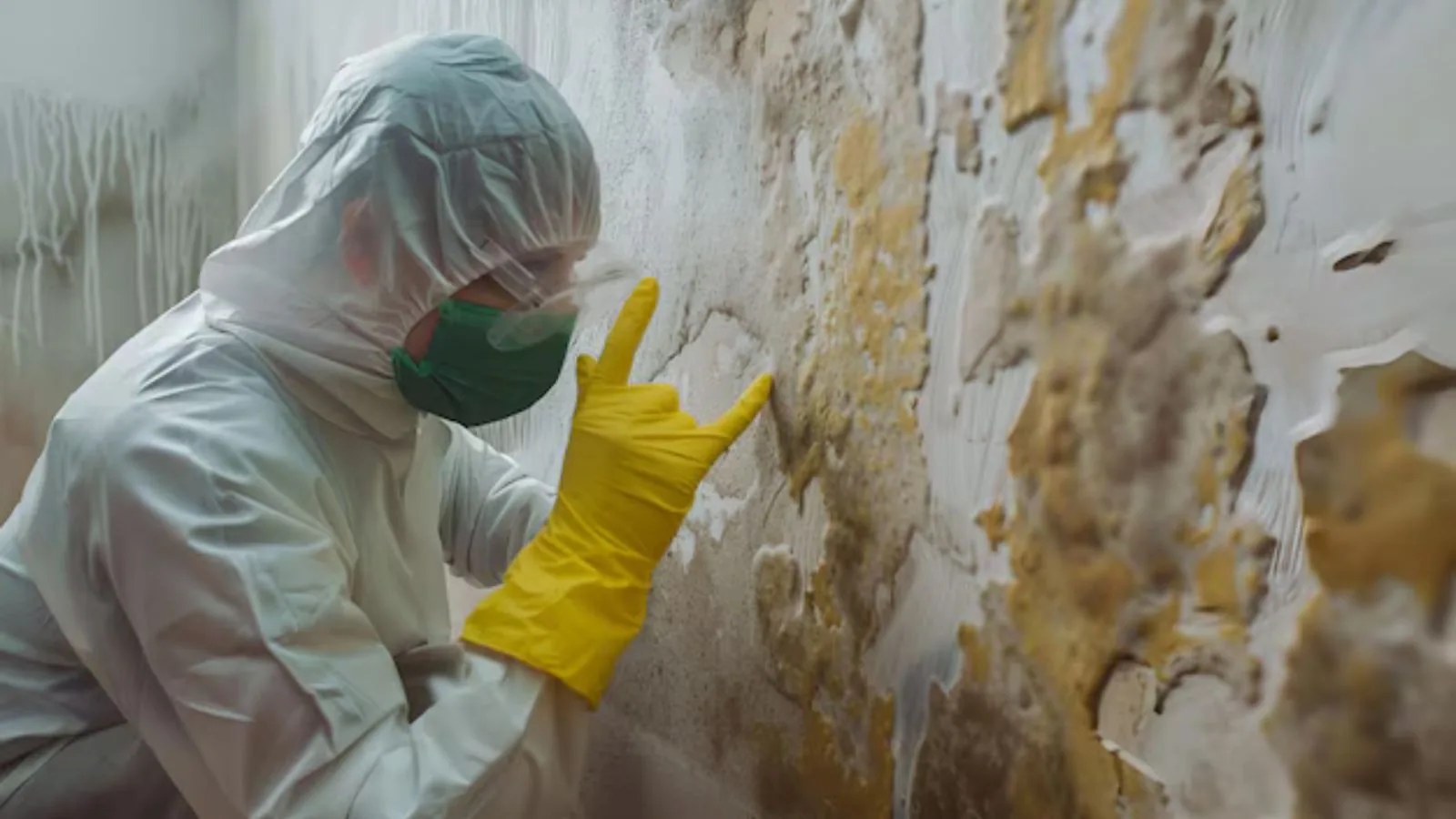
Mold After Water Damage in Alameda, CA: Timeline and Tips
Mold needs moisture, organic material and time. After a leak, moisture and time are the two you can control.
How quickly can mold follow water damage?
Mold can begin to grow in materials that stay wet, often within a couple of days. Drywall paper, wood, carpet pad and insulation all give it something to feed on. The longer a material stays damp, the more likely growth becomes.
That does not mean every wet home grows mold. Fast removal of water and controlled drying take away the moisture it needs. A home that is dry within a few days has a much better chance than one left to dry on its own.
The clock starts with the leak, not the call
Many homeowners find water late, after it has run for days. Tell us when you think the leak began, because that history shapes the plan.
What speeds mold up and what slows it down
| Condition | Effect | What to do |
|---|---|---|
| Materials stay wet for days. | Raises the risk. | Extract and dry quickly. |
| Closed, humid rooms. | Raises the risk. | Add dehumidification and airflow. |
| Warm temperatures. | Can speed growth. | Control humidity early. |
| Porous materials like pad and insulation. | Hold water longest. | Remove when wet and unsalvageable. |
| Dry readings across the structure. | Lowers the risk. | Verify with a moisture meter. |
No method can promise that mold will never return. Moisture control lowers the risk.
Wet carpet pad and insulation are the usual trouble spots. Our carpet water damage restoration page explains why pad is often replaced even when carpet is saved.
A timeline of what we do and why
Hours 0 to 24
Stop the source, extract water and open wet areas so air can reach them.
Days 1 to 3
Run dehumidifiers and air movers, and read moisture at the same points each day.
Days 3 to 5
Remove materials that will not dry, and keep reading until values reach normal.
After drying
Confirm dry readings, then repair. Watch for odors or spots in the weeks that follow.
Drying is the main defense. Our structural drying page explains how readings guide each decision.
Water damage in the last few days?
Call. Early drying is the best step you can take against mold.
Signs it may already be growing
- A musty smell that persists after cleanup.
- Fuzzy, slimy or powdery patches on drywall, trim or carpet backing.
- Paint that bubbles or stains return after cleaning.
- Rooms that feel damp even when the weather is dry.
- A history of a leak or flood in the past few weeks.
If you notice any of these, do not disturb the area. Take photos, note when the water event happened and call for a moisture check. If growth is present, our mold remediation page explains containment and removal. We do not make health claims about mold.
Alameda local note: where moisture lingers after a loss
The City of Alameda has documented king tide flooding and subsidence along parts of the East End, and its hazard plan lists a Basement Flooding Campaign for the East End and Tidal Canal areas. Those are conditions that can leave lower spaces damp for longer. A crawl space or low room that takes on water in one of those areas may need extra time to dry.
Higher humidity near the bay can also slow drying, so we adjust equipment to conditions on the day. We do not claim that Alameda homes are more likely to grow mold. We say that moisture control matters everywhere, and that low spots deserve more care. Our crews also serve Emeryville and Berkeley, where bay-edge conditions are similar in principle.
Prevention steps that make a difference
Start drying fast
Extract water and begin dehumidification as soon as it is safe.
Remove what cannot dry
Wet pad, soaked insulation and swollen drywall are better replaced than left.
Control humidity
Dehumidifiers and ventilation keep rooms from holding moisture.
Fix the source
A repaired pipe or roof leak keeps the problem from returning.
Repairs should wait until readings are normal. Closing up a wall too early can trap moisture. Ask for a drying log before you approve rebuild work.
If a room has to be used during drying, tell the crew. They can often place equipment so that part of the space stays usable, and they can suggest which items to keep out of the damp area while work is under way.
What to do if you already see growth
Do not disturb it
Avoid brushing, vacuuming with a household vacuum or using fans that blow across the spot.
Stop the moisture
Fix the leak or dry the area before any cleanup.
Document it
Take photos and note the dates of the water event and when you first saw the growth.
Plan removal
Ask a contractor about containment, removal and what the written scope covers.
Ask whether your state licenses mold work and whether a third-party inspector is useful for your case. California requires a CSLB license for jobs of $500 or more, so check any contractor at cslb.ca.gov.
Which materials worry us most and why
| Material | Why it is a concern | Usual action after a leak |
|---|---|---|
| Drywall paper. | Paper facing stays damp and feeds growth. | Dry if firm, cut if soft or swollen. |
| Carpet pad. | Holds water like a sponge. | Replace. |
| Fiberglass insulation. | Packs down and holds water. | Remove when soaked. |
| Solid framing. | Dries slowly but tolerates it. | Dry and monitor. |
| Ceiling tiles and particle board. | Swell and break down. | Replace. |
Material behavior, not the age of the home, drives these choices.
A drying log should list readings for each of these materials by date. If a log shows a stuck reading, ask what the plan is to bring it down. A reading that does not change after several days usually means a hidden moisture source or too little equipment.
When you hire drying help, ask to see the log at each visit. A company that records numbers shows its work, and you can see whether materials are heading toward normal or stalling.
What about your insurance policy?
Mold coverage varies widely. Some policies cover mold that results from a covered water loss, while others limit or exclude it. The California Department of Insurance advises reporting a loss promptly and asking for a copy of your policy.
Do not wait to see if growth appears before you report the water event. Reporting early protects your options and creates a record of when the water arrived.
For reference, the IICRC S520 is the published industry standard for professional mold remediation. We name it only as a guide to how containment and cleanup are planned, and we make no certification claim by doing so.
Mold and water damage questions
No. Fast removal and thorough drying greatly reduce the risk, though no one can promise growth will never appear.
It can start within a couple of days in materials that stay wet. Timing varies with temperature and humidity.
Age matters less than moisture. A dry home of any age is less likely to have growth than a damp one.
Not always. Firm drywall that is dried quickly may be saved. Soft or contaminated board is usually replaced.
Moisture readings return to normal for each material. Appearance and touch alone are not enough.