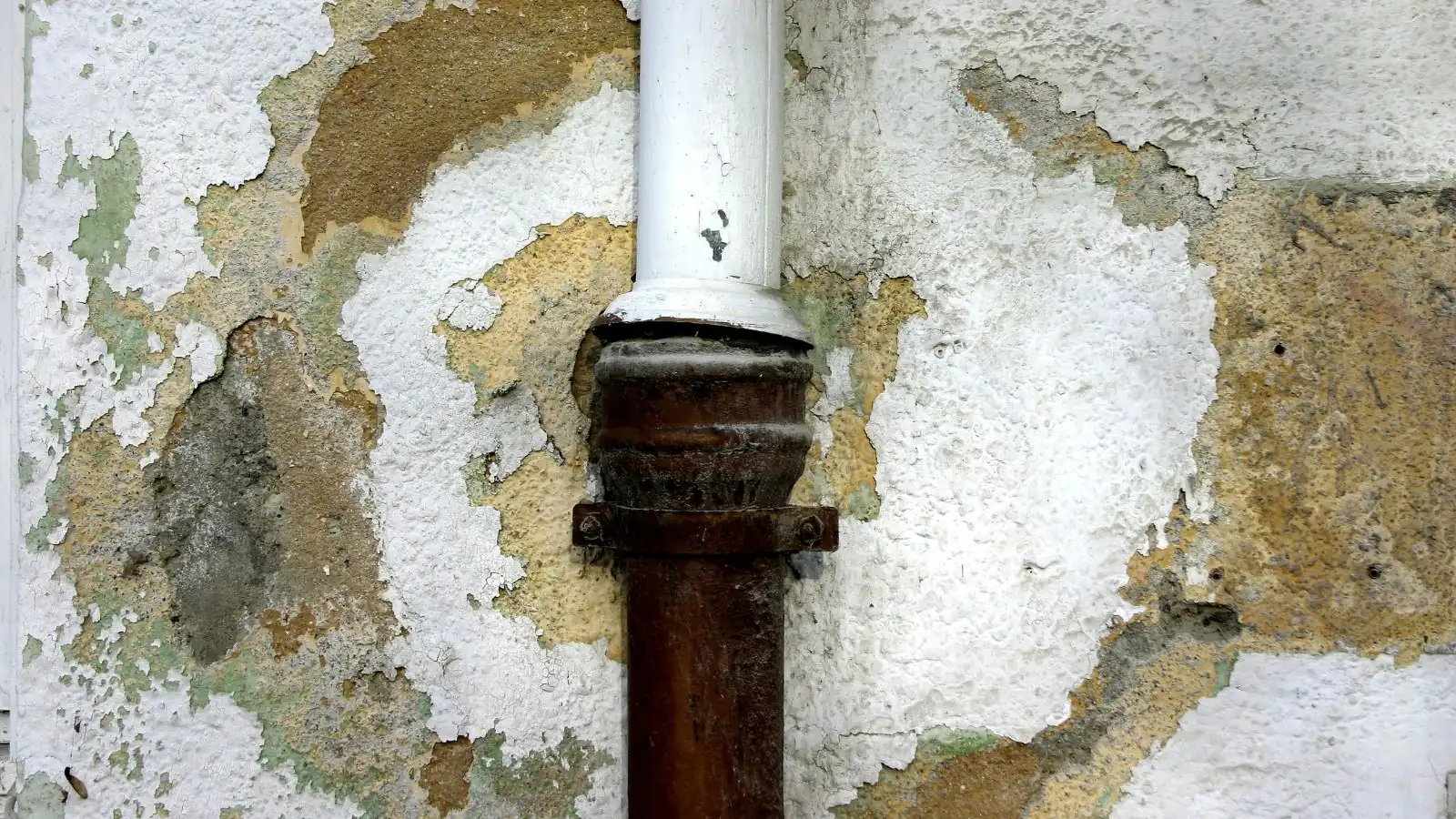
Mold on Walls, Mildew or a Stain? How to Tell in Alameda, CA
A dark patch tells you something is wrong, but not what. Moisture is the clue that matters most.
Three look-alikes and what separates them
Mold, mildew and water stains can look similar on a wall. All three show up as discolored patches, and color alone does not identify them. What separates them is behavior, texture and moisture.
| Clue | Mold | Mildew | Old stain |
|---|---|---|---|
| Texture. | Fuzzy, slimy or powdery. | Flat and powdery. | Flat, no texture. |
| Spread. | Grows over time. | Spreads on damp surfaces. | Stays the same size. |
| Smell. | Musty. | Light musty. | Often none. |
| Moisture. | Present nearby. | Present on surface. | Dry. |
| Wipe test result. | Often returns. | Often wipes off but returns. | Usually stays. |
This is a rough guide. A trained eye and a moisture meter do better than a table.
Mildew is often used for surface growth in bathrooms and on painted walls, while mold is the broader term. We make no health claims about either, and a medical professional is the right contact for health questions.
The moisture test that matters
The one question that sorts most cases is whether the area is wet right now. A moisture meter reads the water content in drywall and wood. If the wall reads normal and the spot has not changed in months, it is likely an old stain.
If the reading is high, a source is feeding the problem. That source may be a leak, condensation or a wet cavity. Without fixing it, any cleaning will be short lived.
Do not scrub and spray
Brushing or spraying a spot with strong cleaners can spread spores and drive moisture deeper. Isolate the area, stop the source and call for a moisture check.
Where these spots show up in Alameda homes
Bathroom ceilings
Poor ventilation lets moisture collect, and spots return after cleaning.
Exterior walls and corners
Cold surfaces attract condensation, especially in closets and behind furniture.
Below windows
Seeping seals or condensation can feed growth at the sill.
Walls near plumbing
A slow leak inside a wall causes discoloration that spreads from one point.
A slow leak behind a wall follows the pattern on our wall and drywall water damage repair page. Ceiling-level patches often tie to the sources on our ceiling water damage repair page.
Not sure what that spot is?
Call and describe it. We can explain what a moisture check shows and when growth needs removal.
Alameda local note: damp ground and damp walls
Alameda's city planning documents note that groundwater already affects many homes, and the city says sump pumps are common in local basements. Parts of Alameda Point, Southshore and Bay Farm Island are largely built on bay fill. Those facts do not mean every wall in town is damp, but they do mean moisture from below deserves attention.
If a spot appears low on a wall, near a slab edge or in a lower-level room, ask whether moisture rises from the ground, from a pipe or from condensation. A plumber, a drainage contractor or a moisture check can sort it out. We also take calls from Oakland and Piedmont about the same question.
What to do in the first 24 hours
Photograph the spot
Take dated photos with a ruler or coin for scale.
Look for the source
Check pipes, vents, windows and the other side of the wall.
Reduce moisture
Run a dehumidifier or vent the room if it is dry outside, but do not blow air directly at the spot.
Call for a reading
A moisture meter and inspection tell you whether the wall is wet.
How a moisture check works
A technician presses a pin or pinless meter against the wall and reads a number for moisture content. The meter is compared against a reading from a dry area of the same material, so the result has a baseline. A thermal camera adds a picture, showing cooler areas where moisture evaporates.
Readings can show wet drywall behind a spot that looks fine on the surface. They can also show that a stained spot is dry and stable. Either result helps you decide what to do next, and neither needs a wall opened.
| Reading | What it suggests | What to do |
|---|---|---|
| Normal across the area. | Old stain or surface issue. | Clean or paint after checking again. |
| High near the spot. | Active moisture. | Find and stop the source, then dry. |
| High and soft drywall. | Water damage that has progressed. | Dry or remove the wet section. |
Preventing the next dark spot
- Run bathroom fans during and after showers, and check that they vent outside.
- Keep furniture a few inches from exterior walls so air can move.
- Fix drips under sinks and around tubs as soon as you see them.
- Wipe condensation from windows in cool weather.
- Use a dehumidifier in damp rooms if humidity stays high.
Small habits keep moisture from lingering. They do not replace repairs, but they lower the odds that a dark spot returns.
When a spot is probably cosmetic
Some stains are harmless leftovers from an old leak that was fixed. They stay the same size, feel dry and show normal readings. Painting over them with a stain blocker may be fine in that case.
Do not paint a spot until you know it is dry. Paint on a damp wall traps moisture and hides the problem. If you are not sure, take a reading first.
When it is more than a stain
- The spot grows or returns after cleaning.
- The drywall feels soft, swollen or crumbly.
- A musty smell stays after the area is cleaned.
- You know the room had a leak or flood in the past few weeks.
In those cases, see our mold remediation page for how containment and removal work. If water is still present, drying comes first, and our structural drying page explains how we do it.
The IICRC S520 standard is the usual industry reference for mold remediation work. We cite it as a published guide to containment and cleanup, not as a credential, and we make no health claims on this page.
Mold, mildew and stain questions
Not reliably. Black, green, brown and gray patches can be mold, mildew, soot or dirt. Behavior and moisture are better clues.
Bleach may lighten surface color but it does not fix the moisture source. We do not recommend it as a stand-alone solution.
A moisture source is probably still feeding it. Find the source before cleaning again.
The city has noted groundwater effects in local planning. That makes moisture checks a smart habit, not proof of a problem.
Call us for a moisture reading and an honest assessment. If a pipe is leaking, a plumber fixes it too.
Not sure what you are seeing?
Call. We will tell you honestly what a moisture check can show.
Reach the 24/7 line