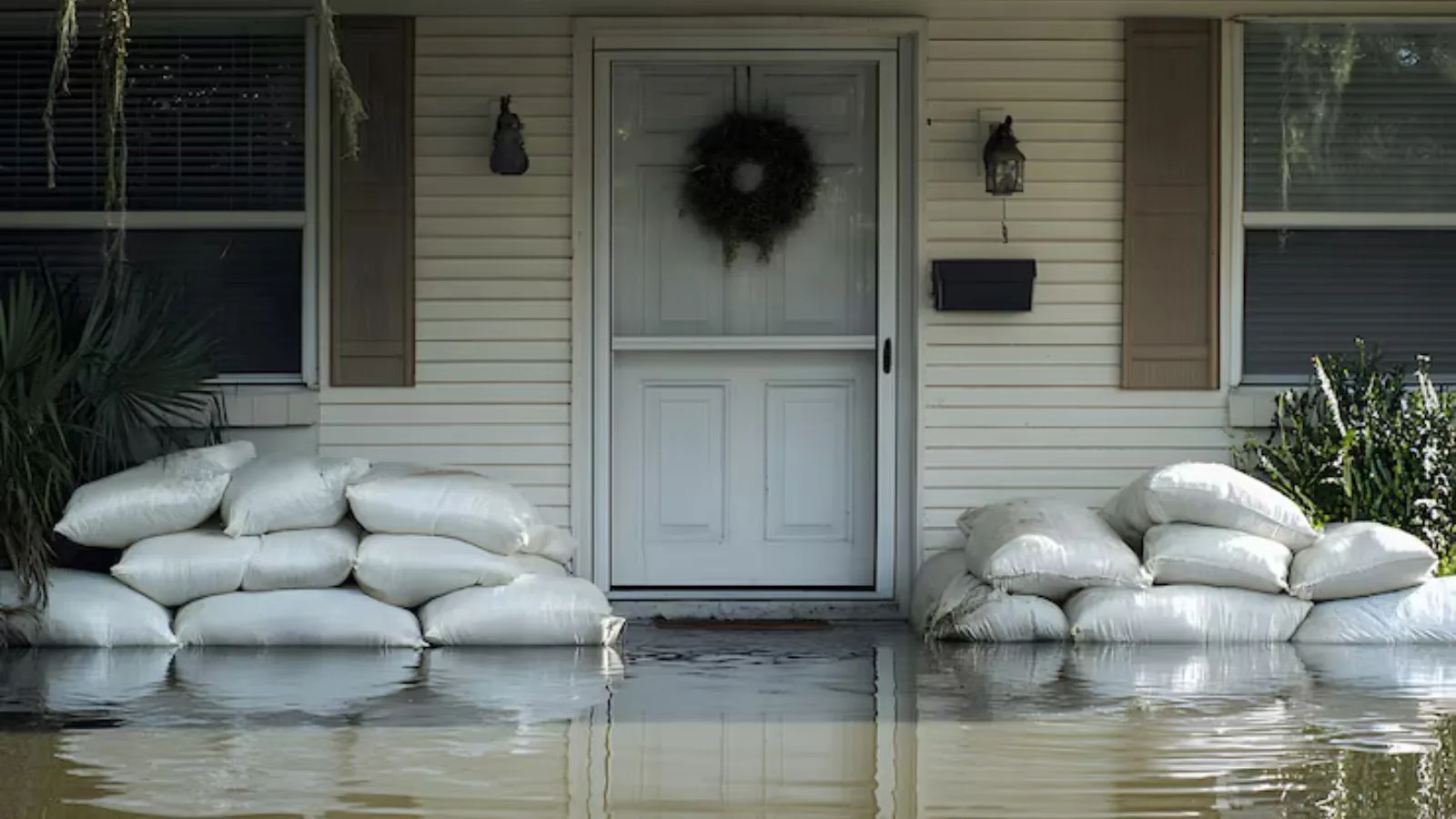
Storm Season Water Checklist for Alameda, CA Homes
Preparation costs a weekend. Recovery from a flooded room can cost far more. Use this list before the rain arrives.
Why prepare before the first big storm
Storms test the parts of a home you rarely look at, such as gutters, flashing, garage doors and drains. A clogged downspout or a missing sealant line can send water into a wall. Fixing these items in dry weather is easier and cheaper than doing it in the rain.
Alameda sits on and around the bay, so storms can bring wind-driven rain, tide effects and drainage that moves slowly. Prepare for water from above, from the side and, in some places, from below. Check the National Weather Service Bay Area forecast during storm weeks.
Know your main shutoff
Everyone in the household should know where the main water valve is and how to close it. Practice once, and tag the valve.
The exterior checklist
- Clear gutters and downspouts of leaves and debris.
- Check roof flashing, vents and skylights for gaps or loose edges.
- Seal gaps around windows, doors and garage door bottoms.
- Make sure grade slopes away from the foundation.
- Clear nearby storm drains of leaves, if you can do it safely.
A roofer handles roof repairs. If water gets in despite your efforts, our storm water damage cleanup page explains how we dry what came through.
The interior checklist
| Area | What to check | Why |
|---|---|---|
| Attic. | Stains, damp insulation, daylight at vents. | Early signs of roof entry. |
| Ceilings. | New stains or bubbling paint. | Hidden leaks. |
| Windows. | Sill dampness, failed seals. | Wind-driven rain. |
| Garage. | Floor drain clear, door seal intact. | Water on slab. |
| Lower levels. | Sump pump test, dry corners. | Groundwater entry. |
Take dated photos of each area now. They help if you need to file a claim later.
Test any sump pump by pouring water into the pit and watching it run. If you have a battery backup, check the battery.
Want a plan for what to do if water gets in?
Call and ask a dispatcher what to have ready and when to call.
Build a small emergency kit
Water control
Know the main shutoff, and keep a valve key or wrench nearby.
Containment
Buckets, towels, plastic sheeting and tape.
Safety
A flashlight, gloves and boots for dry-area tasks.
Documents
Insurance policy, agent number and photos in a waterproof bag.
Alameda local note: tides, groundwater and the East End
The City of Alameda has documented king tide flooding and subsidence along parts of the East End, and its hazard plan lists a citywide Basement Flooding Campaign for the East End and Tidal Canal areas. A 2020 groundwater report accepted by the city says areas at risk of flooding grow by up to 25 percent when emergent groundwater is considered.
Those are planning findings, not forecasts for your street. They do mean that water can arrive from below as well as above. Check the FEMA flood map for your address and ask your insurer about flood coverage. If you have friends or relatives in Piedmont or San Francisco, the same preparation steps apply, though local drainage differs.
When water gets in anyway
Protect people
Stay away from standing water near electrical items and avoid downed lines.
Stop what you can
Close the main valve if a pipe is involved and block entry points if it is safe.
Photograph the damage
Take dated photos and video before moving things.
Call for help
A dispatcher can guide you and send a crew when it is safe.
If water entered a lower level, our basement water damage cleanup page describes the response.
Garage, laundry and bathroom checks
Rooms with plumbing get extra attention. Look at the washer hoses and replace rubber ones with braided stainless lines if they look worn. Check the water heater for rust or dampness at the base, and test the relief valve if the manufacturer advises it.
In the garage, confirm that the door seal is intact and that nothing blocks a floor drain. Store items on shelves rather than directly on the slab. A few inches of height protects boxes if water enters.
- Replace old supply hoses before they fail.
- Look for corrosion on the water heater and nearby pipes.
- Clear lint from the dryer vent to avoid humidity buildup.
- Check caulk around tubs and showers.
If you will be away during a storm
An empty house gives leaks time to grow. Before you leave, close the main valve if you will be gone for several days, and ask a neighbor to check the house after a major storm. Leave a contact number with them.
Tell your insurer if the home will be unoccupied for long periods, since some policies have conditions. Keep your agent's number and our dispatch line handy so help is one call away.
A short routine after every big storm
Walk the exterior
Look for loose flashing, damaged gutters and pooling water.
Check ceilings and windows
Look for new stains, drips and damp sills.
Test the sump pump
If you have one, run it and confirm it shuts off.
Photograph anything unusual
Date the photos in case damage shows up later.
A stain that appears days after a storm can still be storm related. Water travels, so check again over the following week.
Insurance preparation
Review your policy before storm season. The California Department of Insurance advises homeowners to read their policy, know what is excluded and ask questions. Flood is generally excluded from standard policies, so ask about separate coverage if your home is near the shoreline.
Keep a home inventory with photos or video of your belongings. It speeds up a claim and costs nothing.
- Know your deductible and any separate storm deductible.
- Keep your agent's number in your phone.
- Store a copy of your policy in a safe, accessible place.
Seasonal habits that help
- Check gutters again after the first heavy winds.
- Look at ceilings and window sills after each big storm.
- Walk the perimeter and note any pooling water.
- Keep a dehumidifier handy for damp rooms.
- Replace worn washer hoses and aging water heaters on a schedule.
Small checks catch small problems. A stain found on day one is easier to fix than one found on day ten.
The IICRC S500 standard is the usual industry reference for water damage work. It describes water categories, drying goals and documentation. We mention it as a published guide only, and it is not a claim about our own certifications.
Storm preparation questions
Before the first major storm of the wet season. Check gutters, flashing and drains while the weather is dry.
Standard policies generally exclude flood. Ask your insurer about separate coverage.
Check the FEMA flood map or ask the City of Alameda.
Yes. Pour water into the pit and watch it run, and check any backup battery.
Stay safe, stop the source if possible, take photos and call for help.
Water in the house during a storm?
Call. A dispatcher will help you stay safe and plan the response.
Reach the 24/7 line