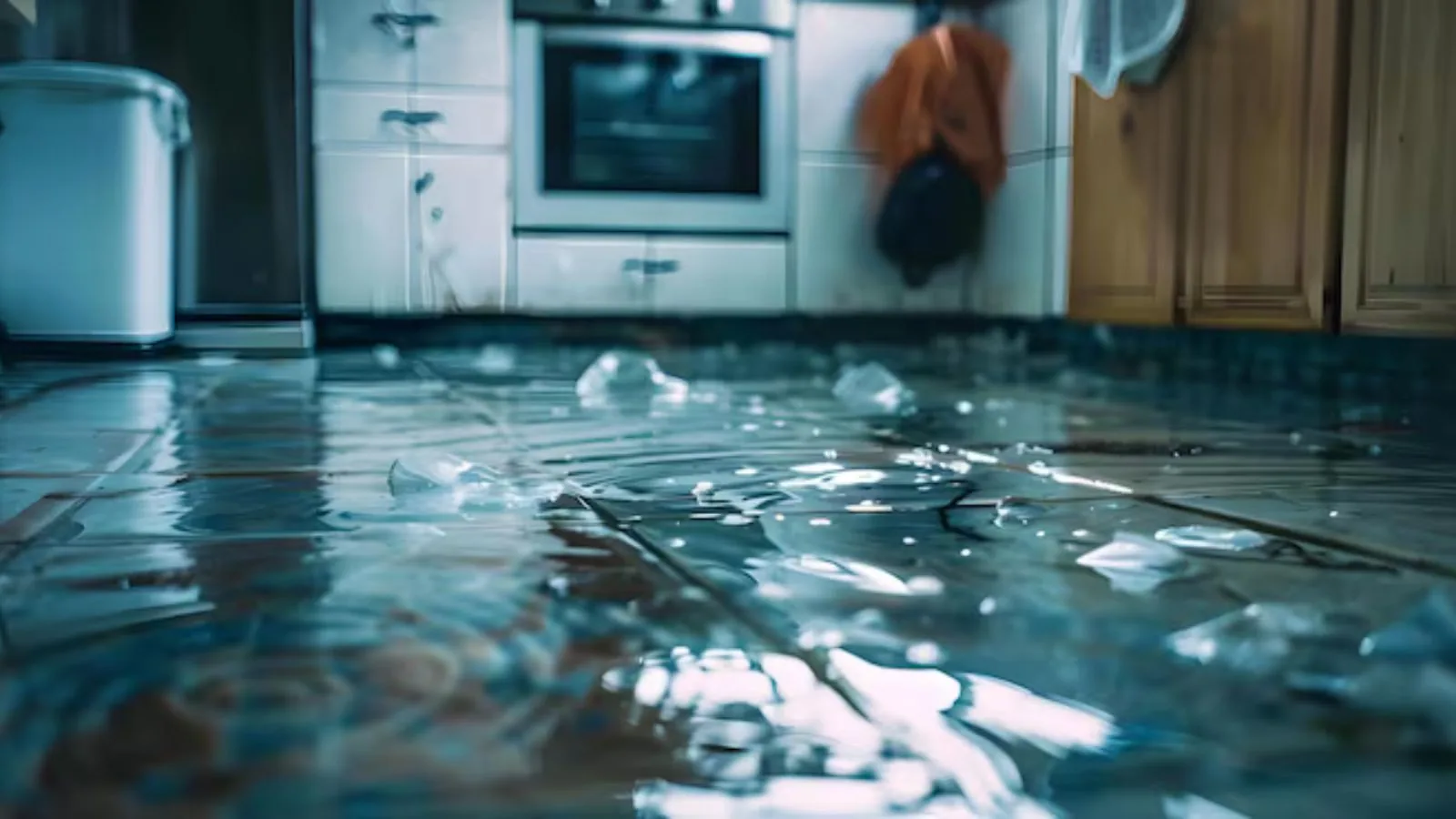
Filing a Claim for a Small Water Leak in Alameda, CA
Filing is not always the right move, but staying silent can cost you too. Here is how to think it through.
Why a small leak is not always small
A drip that fills a bucket can also soak drywall, insulation and a subfloor. What you see is rarely all there is. A quick moisture reading shows how far the water traveled.
The decision to file depends on the damage, your deductible and your policy. It also depends on whether the cause is covered. This guide helps you sort those pieces without guessing.
Report and file are different
In many cases you can tell your insurer about a loss and ask questions without committing to a full claim. Ask how your insurer handles that.
Factors that shape the decision
| Factor | Why it matters | What to ask |
|---|---|---|
| Deductible. | If damage is near or below it, a claim may not pay. | What is my water deductible? |
| Cause of the leak. | Sudden events are more often covered. | Is this cause covered? |
| Claim history. | Claims may affect renewal or rates. | How do claims affect my policy? |
| Hidden damage. | Costs may grow after opening walls. | Can I add to the claim later? |
| Notice requirements. | Policies may require prompt reporting. | What is the deadline? |
Policies differ. Read yours and ask your insurer.
Do not decide only on the first number you see. A small stain can hide a larger wet area, so get a moisture reading first. Our wall and drywall water damage repair page explains how the wet edge is found.
What to do before you decide
Stop the water
Fix or isolate the source so damage does not grow.
Document it
Take dated photos and video of the source and the damage.
Get a moisture reading
A meter shows how far the water spread.
Read your policy
Note the deductible, exclusions and notice rules.
Ask your insurer
Ask what they need and how filing affects your policy.
Not sure how big the damage is?
Call and ask about a moisture reading. Knowing the scope makes the decision easier.
Alameda local note: what the state says
The California Department of Insurance advises homeowners to report water damage claims immediately and to keep a record of conversations. It also advises homeowners to find and stop leaks at the source, because a policy may not cover ensuing damage if reasonable steps to protect property were not taken. Insurers must provide a copy of the policy within 30 days of a request.
The department's consumer hotline is 800-927-4357. If you have a question about a claim or a policy, call it before you decide. If you live in Piedmont or Oakland, the same state rules apply, though local permit offices differ.
Three realistic examples
A dishwasher line weeps overnight
The floor is wet and the cabinet base is soft. A moisture reading shows water under the cabinet. This is often worth reporting, since hidden damage is likely.
A slow drip under a sink
The stain is small and the cabinet is dry after a fix. The cost may be near your deductible, so a claim may not help.
A ceiling stain after a bathroom leak
The stain is visible and the room below is damp. Insulation and drywall may be wet. Reporting makes sense, and a reading shows the scope.
These examples are illustrations, not advice. Your policy and your damage decide. A moisture reading removes much of the guesswork.
How a claim can affect your policy
Insurers may track claim history, and a claim can influence renewal terms or pricing. How much depends on the insurer, the cause and the amount. Ask your agent before you file, and ask in writing if you can.
The California Department of Insurance has consumer guidance on claims and can answer questions through its hotline. Getting the facts first lets you weigh the cost of filing against the cost of paying out of pocket.
When filing often makes sense
- The damage is clearly above your deductible.
- A sudden event caused it, such as a burst pipe or appliance failure.
- Hidden damage is likely, such as wet insulation or subfloor.
- The leak affected several rooms or a ceiling below.
- Your policy has a notice deadline that you may miss.
When any of these is true, report promptly. Our burst pipe water damage page and appliance leak water damage page describe common covered-type events.
When you might handle it yourself
If the damage is minor, the source is fixed and a moisture reading shows the area dry, a claim may not pay more than your deductible. Some owners choose to handle small, fully dried losses out of pocket. That is a personal decision.
Even then, keep records. Photos, readings and receipts show what happened if the problem returns. Tell your insurer if the situation changes.
What to say when you call your insurer
Keep the call short and factual. State what happened, when you found it, what you did to stop it and what damage you can see. Say whether the source is fixed and whether you have photos.
Ask what happens next and who will contact you. Write down the name of the person you spoke with, the date and the reference number. If you are unsure whether to file, say so, and ask what reporting without filing means under your policy.
- Describe the cause plainly, without guessing.
- Mention that a moisture reading is planned or done.
- Ask what documents they want and in what format.
- Ask about deadlines for proof of loss or notice.
What documentation helps either way
- Dated photos and video of the source and damage.
- A short written timeline of when you found it and what you did.
- Receipts for repairs and emergency steps.
- Moisture readings and a drying log.
- Names and dates of every conversation with your insurer.
We supply moisture logs and photos with our work. We do not decide coverage, and we never promise approval.
What to do if the insurer disagrees
Ask for the decision in writing
A written explanation helps you respond.
Review the policy language
Compare the decision with the wording.
Ask for a review
You can ask the insurer to reconsider with new information.
Contact the state
The California Department of Insurance hotline can explain your options.
Keep calm and keep records. Most disagreements start with unclear documentation, and good records often help.
Professionals commonly measure drying work against the IICRC S500 standard for water damage restoration. We cite it only as an industry reference for how water types and drying goals are defined, not as a credential.
Small leak claim questions
It depends on the damage, the deductible and your policy. Get a moisture reading before you decide.
Many insurers let you ask questions first. Ask how yours handles that.
It can, depending on your insurer and history. Ask them directly.
Policies have notice rules, and the state advises reporting immediately. Check yours.
Yes. We supply photos, moisture logs and a scope summary.