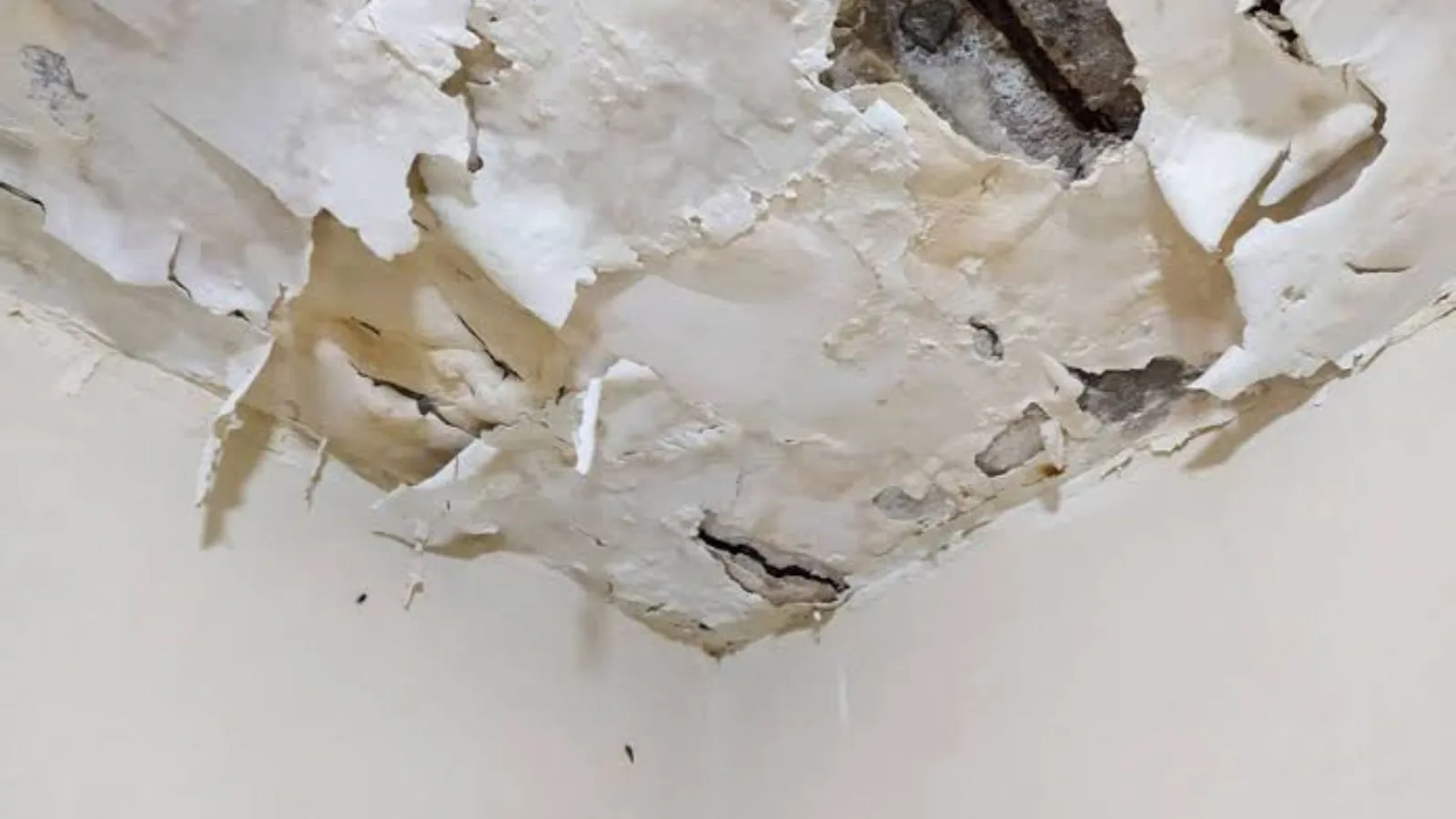
Mold Testing After Water Damage in Alameda, CA: When It Helps
Testing can be useful in some situations and a waste in others. Moisture readings and a careful visual check come first.
What a mold test can and cannot tell you
Mold tests such as air samples and surface swabs report what was found in a sample. They do not say how a household will be affected, and they do not say whether the area is dry. Spores are present in most indoor and outdoor air, so a result needs interpretation.
Testing is a tool, not a verdict. A trained inspector decides what to sample and how to read the result. A test with no moisture source found often leaves the real question unanswered.
Moisture comes first
If a material was wet and stayed wet, the next step is drying and removal. If it dried quickly and shows normal readings, testing may add little.
When testing may be worth considering
| Situation | Test helpful? | Reason |
|---|---|---|
| Visible growth in a small area. | Usually not needed. | The remedy is the same whatever the sample shows. |
| Musty odor with no visible source. | Possibly. | Helps point toward hidden growth. |
| After remediation, to check the work. | Often useful. | Independent clearance gives confidence. |
| Disputes with a landlord or buyer. | Possibly. | A third party can document conditions. |
| Wet materials that dried fast. | Rarely. | Moisture readings are the better guide. |
This is general guidance. An independent inspector can advise on your case.
A visual check and moisture meter answer most questions after a recent leak. If you already know materials were wet, our structural drying page explains why drying is the first step.
Why the person who tests should not be the person who removes
Some owners prefer an independent inspector who has no stake in the removal work. That separation avoids the appearance of a conflict. The inspector writes a scope, the contractor performs it and the inspector rechecks afterward.
We are open to that approach. If you choose a third party, share the scope with us before work starts so containment, removal and drying line up with what the inspector will check.
Unsure whether you need testing?
Call and describe what you saw. We will say plainly whether a moisture check is enough.
What to ask before paying for a test
- What will be sampled, and where?
- How will the results be reported, and what does each number mean?
- Does the report say what to do next?
- Will the inspector check moisture and look for the source?
- Is the inspector independent of any remediation company?
A test that returns a number with no explanation is not much help. Ask for a written report that ties findings to specific rooms and recommends next steps.
Alameda local note: licensing and state law
California requires a CSLB contractor license for jobs of $500 or more, including labor and materials. You can check a license at cslb.ca.gov. The state also has a Toxic Mold Protection Act, which is found in the Health and Safety Code beginning at section 26100.
We do not summarize that law here, and we do not claim that it makes testing required or unnecessary in your case. Ask whether your state licenses mold work and what credentials an inspector or contractor holds. If you live in Oakland or Piedmont, the same state rules apply.
The main kinds of mold testing, in plain terms
Air sampling
A pump pulls a measured amount of air through a collector, and a lab counts what it caught. Results show conditions at that moment and place.
Surface sampling
A swab or tape lifts material from a spot, and a lab identifies what is on it. It tells you something is present, not how much is behind the wall.
Bulk sampling
A small piece of material is cut out and examined. It can confirm growth within a material.
Moisture mapping
Not a lab test. Meters and thermal imaging show where water remains, which is often the most useful information.
None of these replaces finding and fixing the moisture. Each has limits, and results vary with sampling method, timing and weather. An experienced inspector explains what the result does and does not show.
Reading a report without jumping to conclusions
A lab report may list names of organisms and counts. Those numbers need context, such as an outdoor comparison sample and the conditions in the home. A high number in one room next to a wet wall is more meaningful than a scattered result in a dry hallway.
Ask the inspector to explain three things in writing. Where is moisture or growth most likely, what should be done about it and how will you know when it is done. A report that stops at a number leaves you guessing.
- Compare results with an outdoor sample taken at the same time.
- Ask which rooms showed the highest findings and why.
- Ask whether the report recommends removal, drying or monitoring.
- Keep the report with your repair records.
What to do while you decide
Find and stop the moisture
A leak, a pipe or condensation has to be fixed first.
Dry the area
Use measured drying so materials return to normal levels.
Document conditions
Photos and readings help any inspector or insurer.
Choose a plan
Decide on testing, removal or both after you see readings.
If you already see growth, our mold remediation page describes how containment and removal work. We do not make health claims, and we do not diagnose symptoms.
How insurance affects the decision
Insurers differ on whether they pay for testing. Some ask for it, some decline to cover it and some treat it as part of the claim when mold follows a covered loss. Ask before you pay, and keep receipts.
The California Department of Insurance advises reporting claims promptly and asking for a copy of your policy. A written answer from your insurer on testing costs nothing and avoids surprises.
A simple decision guide
- Do you have a known water event in the last few weeks? Start with moisture readings.
- Is growth visible? Plan removal and fix the source.
- Is there only an odor with no cause? Consider an inspection.
- Did a company just finish removal? Consider an independent recheck.
- Is there a dispute with another party? Consider a third-party report.
The IICRC S520 standard is the usual industry reference for mold remediation work. We cite it as a published guide to containment and cleanup, not as a credential, and we make no health claims on this page.
Mold testing questions
Not always. Moisture readings and a visual check answer most questions, and testing is useful in some situations.
Kits report limited information and do not show whether a structure is wet. They are no substitute for a moisture reading.
It depends on your policy and the situation. Ask your insurer before you pay.
Ask whether your state licenses mold work. California requires a CSLB license for jobs of $500 or more.
Some owners test before to document conditions and after to confirm the work. An independent inspector can advise.
Not sure what you need?
Call. We will tell you honestly what a moisture check can show.
Get a crew moving