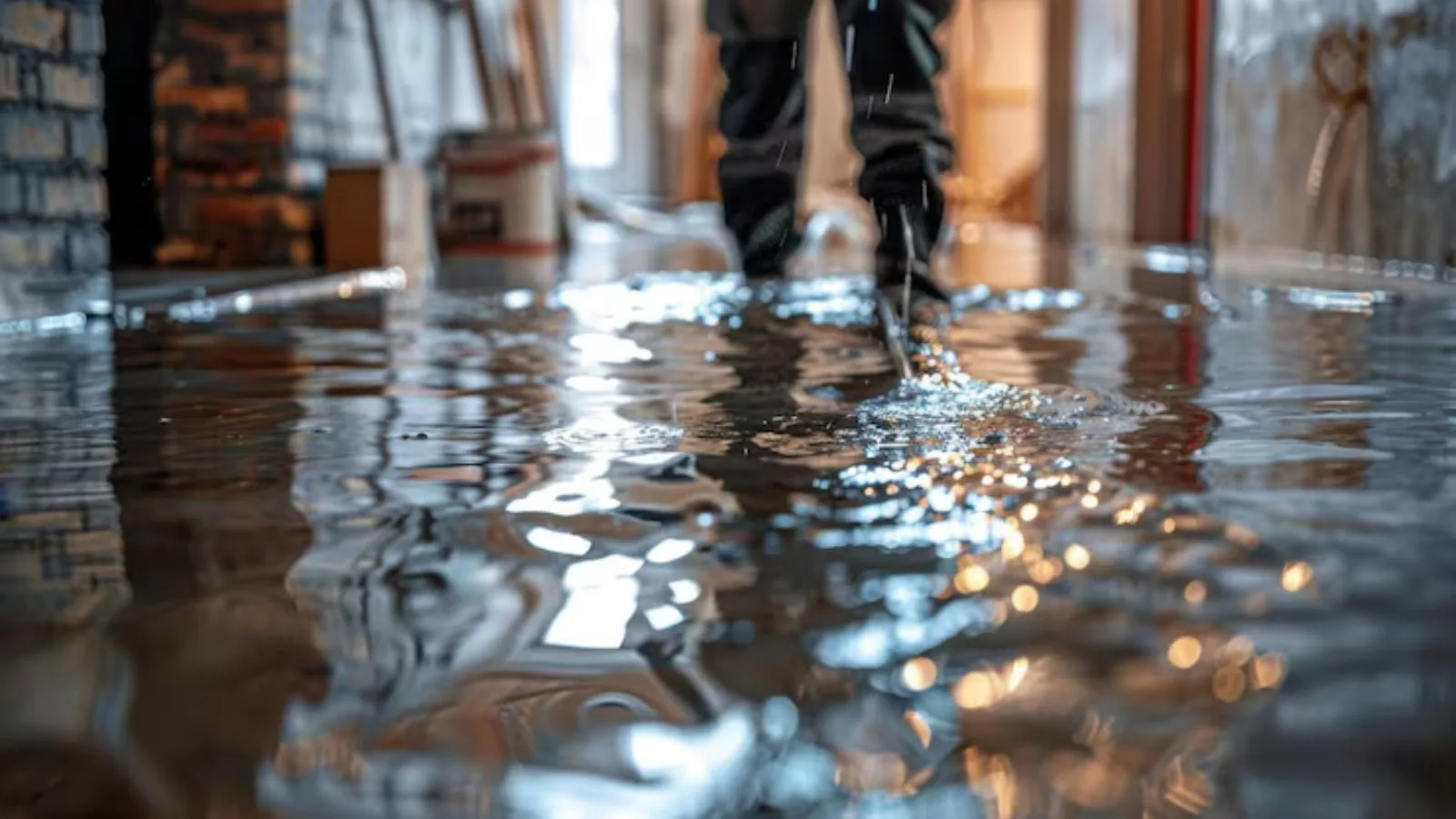
Water Mitigation Process in Alameda, CA, Step by Step
Mitigation limits the damage. Repair rebuilds it. Knowing the difference helps you hire the right people at the right time.
Mitigation, restoration and repair are different stages
Water mitigation is the work done to stop further damage, such as removing water, drying the structure and protecting contents. Repair is what comes after, such as replacing drywall, flooring and paint. Some companies do both, and many homeowners hire separate trades.
The industry reference for the mitigation stage is the IICRC S500 standard for professional water damage restoration. We name it as a guide, not as a certification claim. Its core idea is simple: find the water, remove it and dry the structure on a measured plan.
The eight stages of a typical job
Emergency call
A dispatcher asks about the source, the rooms involved and any safety issues.
Safety check
The crew looks for electrical, structural and contamination hazards before work begins.
Moisture assessment
Meters and thermal cameras map where the water went.
Water removal
Pumps and extractors remove standing water from floors and carpet.
Removal of unsalvageable materials
Wet pad, soaked insulation and badly damaged drywall come out with your approval.
Cleaning and treatment
Surfaces are cleaned, and antimicrobial treatment is used where the water type calls for it.
Drying and monitoring
Air movers and dehumidifiers run, and readings are taken daily.
Verification and handoff
Dry readings are confirmed, records are shared and repair options are discussed.
Why measurement matters more than speed alone
A floor that feels dry can still hold water in the subfloor. Moisture meters read water content in wood and drywall, while thermal cameras show temperature differences that often point to wet areas. Together they replace guesswork.
Daily readings show whether drying is on track. If a wall is stuck at a high reading, we add equipment or open the cavity. That is how a job ends with numbers, not feelings.
Want to know how a crew would handle your situation?
Call and describe it. A dispatcher can walk through the stages that apply to you.
What gets dried and what gets removed
| Material | Usually dried | Usually removed |
|---|---|---|
| Hardwood floors. | If caught early. | If buckled or black stained. |
| Drywall. | If firm and clean water. | If soft, swollen or contaminated. |
| Carpet. | If clean water and quick action. | Pad is often replaced. |
| Insulation. | Rarely. | Often, when soaked. |
| Framing. | Yes. | Rarely. |
The decision comes from readings and water type.
Standing water comes out first, and our water extraction page explains that stage. The drying stage is the focus of our structural drying page.
Alameda local note: who is involved in a local job
In Alameda, EBMUD supplies water and will tell you what to do if a main break is involved. The city collects sewage and conveys it to EBMUD for treatment, so a sewer problem may involve the city's Public Works line at 510-747-7400. Plumbing repairs and water heater work go through the City Permit Center at 2263 Santa Clara Ave, using its online portal.
That mix of agencies is why we coordinate timing. We want drying equipment to stay until the plumber or the city finishes, and we want you to know who to call for each part. If you live in Emeryville or Berkeley, the offices differ, and we explain them on those pages.
What you can do during mitigation
- Keep children and pets out of the work area.
- Move valuables to a dry room and tell us what is important to you.
- Keep a list of every item removed from the home.
- Ask for the moisture log at the end of each visit.
- Avoid turning off equipment, even if it is noisy.
Equipment noise and warmth are part of drying. Short-term disruption gets the structure back to normal faster and lowers the risk of odor and mold.
How the water type changes the plan
The IICRC S500 standard sorts water into three categories. Category 1 comes from a clean source such as a supply line. Category 2 carries some contamination, such as water from a washing machine. Category 3 is grossly contaminated, such as sewage or flood water.
| Category | Example source | Typical handling |
|---|---|---|
| Category 1. | Supply line, faucet, tub overflow. | Extract and dry, many materials saved. |
| Category 2. | Dishwasher or washer discharge. | Extract, clean, dry, more materials removed. |
| Category 3. | Sewage, flood water, rising groundwater. | Contain, remove porous materials, disinfect. |
Clean water can become more contaminated the longer it sits.
A leak that starts as Category 1 and sits for days can move to a higher category. That is another reason timing matters. Our flood damage cleanup page covers the higher categories.
Questions to ask any mitigation company before you sign
- What will you do on the first visit, and what will you leave for later?
- How will you measure moisture, and will I get the readings?
- What materials do you expect to remove, and who approves each one?
- How long do you expect equipment to stay, and what could change that?
- How do you handle photos and records for my insurer?
A good company answers these plainly and puts the scope in writing. If answers are vague, keep looking. California requires a CSLB license for jobs of $500 or more, and you can check one at cslb.ca.gov.
What you should have in hand when the job ends
Moisture log
A record of readings by room and date, showing the move to normal levels.
Photos
Before, during and after images of the affected areas.
Scope summary
A list of what was removed, dried and cleaned.
Repair notes
A plain list of what still needs rebuilding.
Those records help your insurer, your contractor and any future buyer who asks about past water events.
What mitigation does not do
Mitigation does not rebuild a wall, repaint a ceiling or fix a pipe. It also does not mean mold can never appear later, because no one can promise that. It gives your home the best chance by removing the moisture that mold needs.
If you need rebuild work, we can scope it separately or hand your records to your own contractor. Either way, the records from mitigation make the next stage easier.
How long mitigation usually takes
Many jobs need three to five days of drying, though readings set the schedule. A small clean leak can finish faster. A large flood or a slab that holds moisture can take longer.
We give a range after the first assessment and update it with each reading. If your job needs more time, we explain why instead of leaving you to guess.
Water mitigation questions
Mitigation stops further damage by removing water and drying. Restoration often includes both mitigation and repair, depending on the company.
As soon as it is safe. Early extraction and drying reduce how much has to be removed later.
Mitigation itself usually does not, but plumbing repairs may. Ask the City Permit Center or your plumber.
The city sewer line is 510-747-7400. We handle the cleanup inside the home.
Coverage depends on the cause and your policy. Ask your insurer and keep records.
Ready to start mitigation?
Call and we will explain the stages that fit your loss.
Ask about your situation